How High-Quality Prosthetic Services Help Improve Lives
Prosthetic services have emerged as a cornerstone in the realm of healthcare, offering transformative changes to those in need. Today, these services are not just about replacing a missing limb, but about restoring independence, confidence, and a sense of normalcy. From enhancing mobility to improving psychological well-being, high-quality prosthetic services are indispensable in improving individuals' quality of life.
The role of prosthetics extends far beyond mere functionality; they provide a bridge to a fuller participation in society. They mitigate the physical limitations posed by limb loss, granting many individuals the ability to engage in activities once thought impossible. This article explores the profound impacts of prosthetic services, examining their contributions to physical, emotional, and societal well-being.
According to the Amputee Coalition, there are nearly 2 million people living with limb loss in the United States, highlighting the demand for effective prosthetic solutions. High-quality prosthetics can open doors to opportunities that were previously unattainable, impacting not only personal self-perception but also economic potential. As technology advances, so too does the potential for these devices to significantly alter lives for the better.
Understanding Prosthetic Services
Definition and Types of Prosthetics
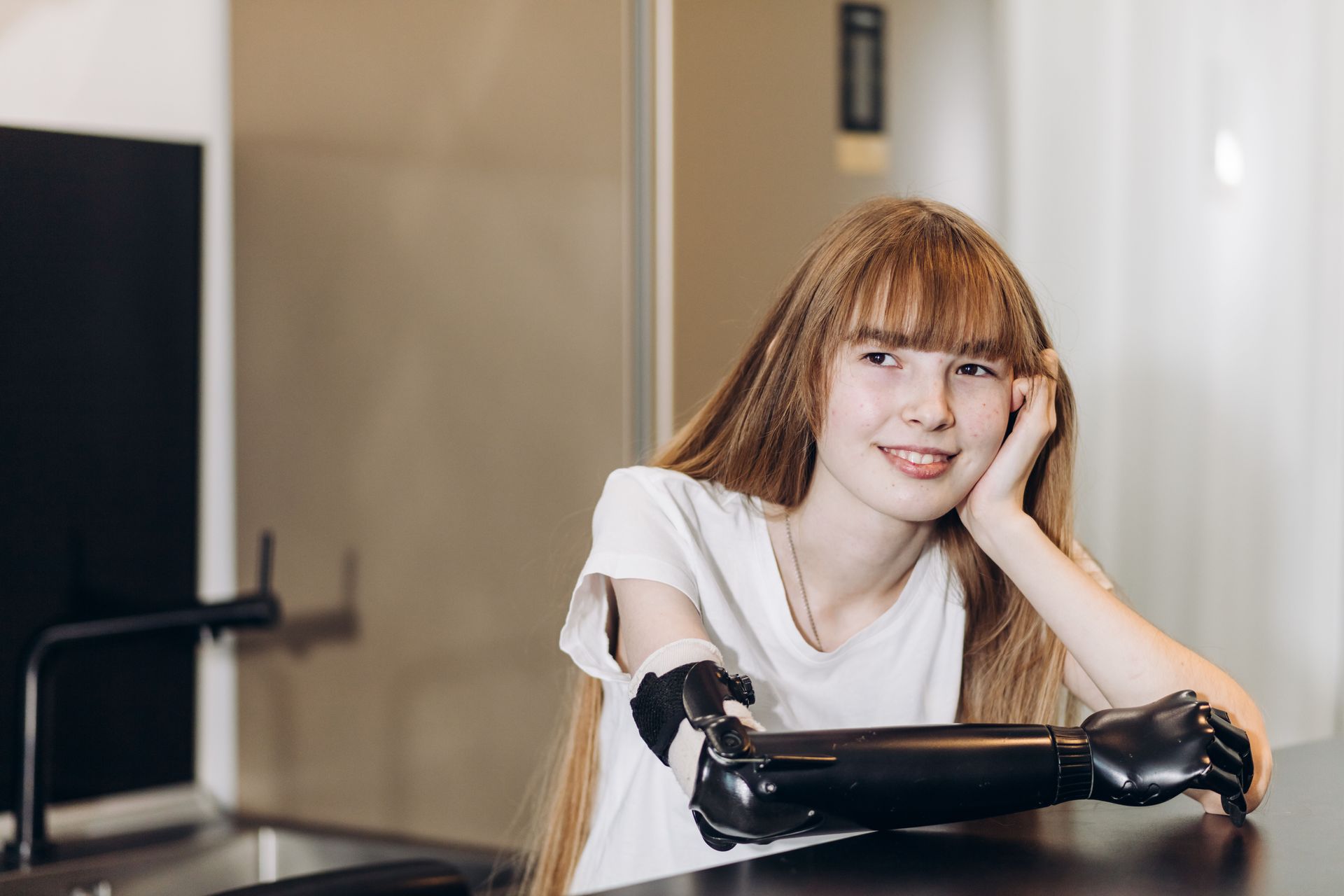
Prosthetics are artificial devices designed to replace missing body parts, each tailored to meet specific functional needs. Broadly, they are categorized into upper and lower limb prosthetics, facial prosthetics, and specialized devices for particular uses like athletic competition. The types vary greatly, from functional limbs offering simple movements to advanced myoelectric devices controlled by muscle signals.
Beyond functional classifications, prosthetics are often further categorized based on the degree of technology they incorporate. From basic models made of metal and plastic to sophisticated versions integrating sensors and computer systems, the design spectrum is vast. Each type serves a distinct purpose, catering to the wide-ranging needs and preferences of individuals requiring prosthetic care.
The refinement of prosthetics has enabled a fuller integration into daily life, turning them from mere tools into empowering assets. Their functional capabilities are tailored to enhance the individual's daily tasks and recreational pursuits. They symbolize a significant advancement in medical technology, providing critical support for people with limb loss.
Key Components of High-Quality Prosthetic Care
High-quality prosthetic care is grounded in several critical components, including optimal device design and precise fitting. The process begins with a thorough evaluation to determine the most suitable prosthetic type and technology for the user. Personalization is key, as the prosthesis must be tailored to fit the unique anatomy and lifestyle of the individual.
The provision of comprehensive support throughout the adjustment period is equally important. This includes physical therapy to help the individual adapt to and fully integrate the prosthetic into their daily life. Consistent monitoring and adjustments are also essential to ensure the prosthesis continues to function effectively and comfortably as the user's body and needs change.
Another significant aspect is the availability of multidisciplinary support, combining expertise from various fields such as medicine, engineering, and psychology. This holistic approach addresses both the physical and mental health needs of individuals, facilitating a smoother transition and fostering long-term success. Such an integrated model of care is crucial in the provision of truly high-quality prosthetic services.
Roles of Healthcare Professionals in Prosthetic Services
Healthcare professionals play a pivotal role in the provision of prosthetic services, guiding patients from the initial stage of loss through rehabilitation and beyond. Prosthetists, specializing in the design and fitting of prosthetics, are central figures in this process. These experts work directly with patients to ensure the prosthetic meets their specific functional and aesthetic needs.
Beyond design and fitting, physical therapists assist patients in adapting to their new prosthetics, teaching them how to use the devices effectively. Psychologists and counselors provide essential support, helping individuals deal with the emotional and psychological aspects of limb loss. Together, these professionals provide a comprehensive support system essential for successful prosthetic integration.
Analyzing the Physical Benefits of Prosthetics
Improved Mobility and Independence
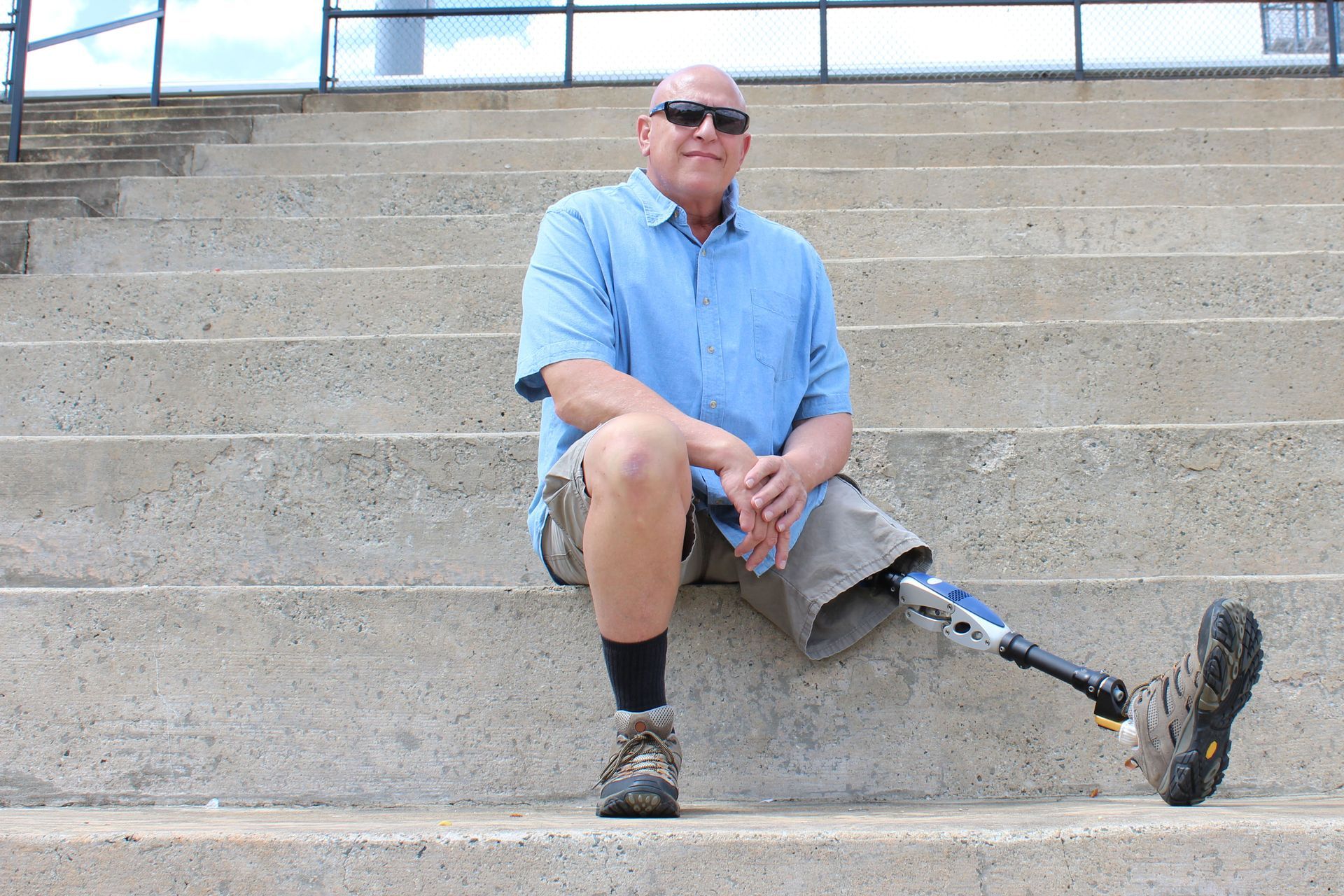
One of the most significant benefits of prosthetics is the restored mobility and independence they offer to individuals with limb loss. High-quality prosthetics allow users to perform everyday tasks with greater ease and confidence. This newfound ability to move freely can drastically improve an individual's autonomy and quality of life, contributing to a greater sense of self-reliance.
For individuals who have experienced limb loss, regaining the ability to walk, run, or even perform intricate hand movements can be life-altering. This independence extends beyond physical mobility; it influences personal routines and professional opportunities. The capacity to move independently empowers users to fully participate in various aspects of life, from household responsibilities to recreational activities and employment.
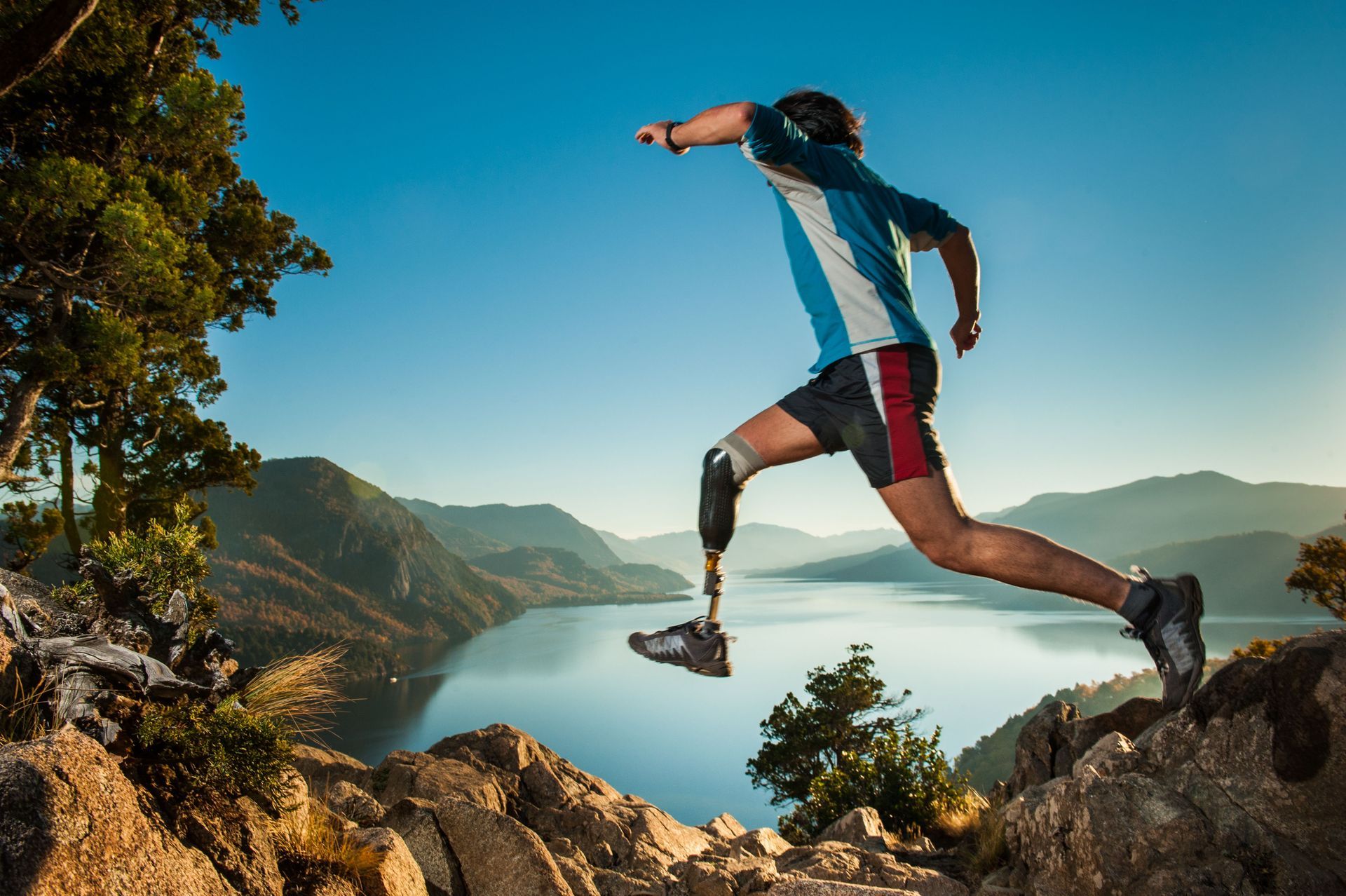
The increased functionality of modern prosthetics also encourages physical activity, which is beneficial for cardiovascular health and overall fitness. This can lead to a reduction in secondary health issues such as obesity, heart disease, and diabetes, which are common among individuals who are physically inactive. The improvement in overall health further enhances the quality of life and prevents potential future health complications.
Enhanced Physical Health and Well-Being
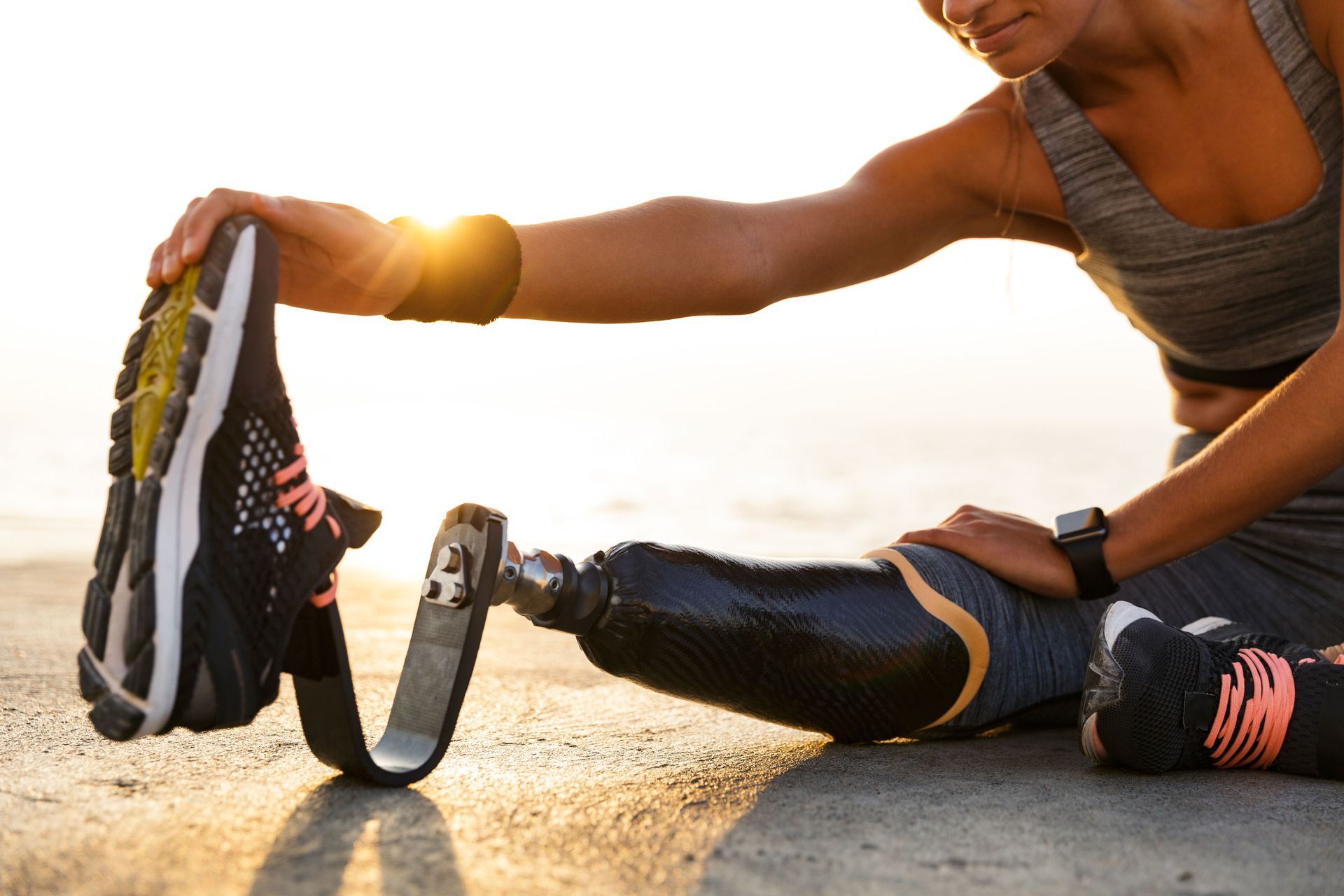
Prosthetics contribute greatly to enhanced physical health and overall well-being. By enabling increased physical activity, prosthetics help maintain muscular strength and joint function. This physical capability is vital in preventing secondary conditions that arise from prolonged inactivity or compensatory movements.
Additionally, prosthetics allow individuals to engage in diverse forms of exercise, from walking and cycling to swimming and even running marathons. This array of physical activity options supports cardiovascular health, maintains optimal body weight, and promotes a positive outlook on life. Such engagement is essential for maintaining a healthy lifestyle and fostering long-term wellness.
Role in Rehabilitation and Physical Therapy
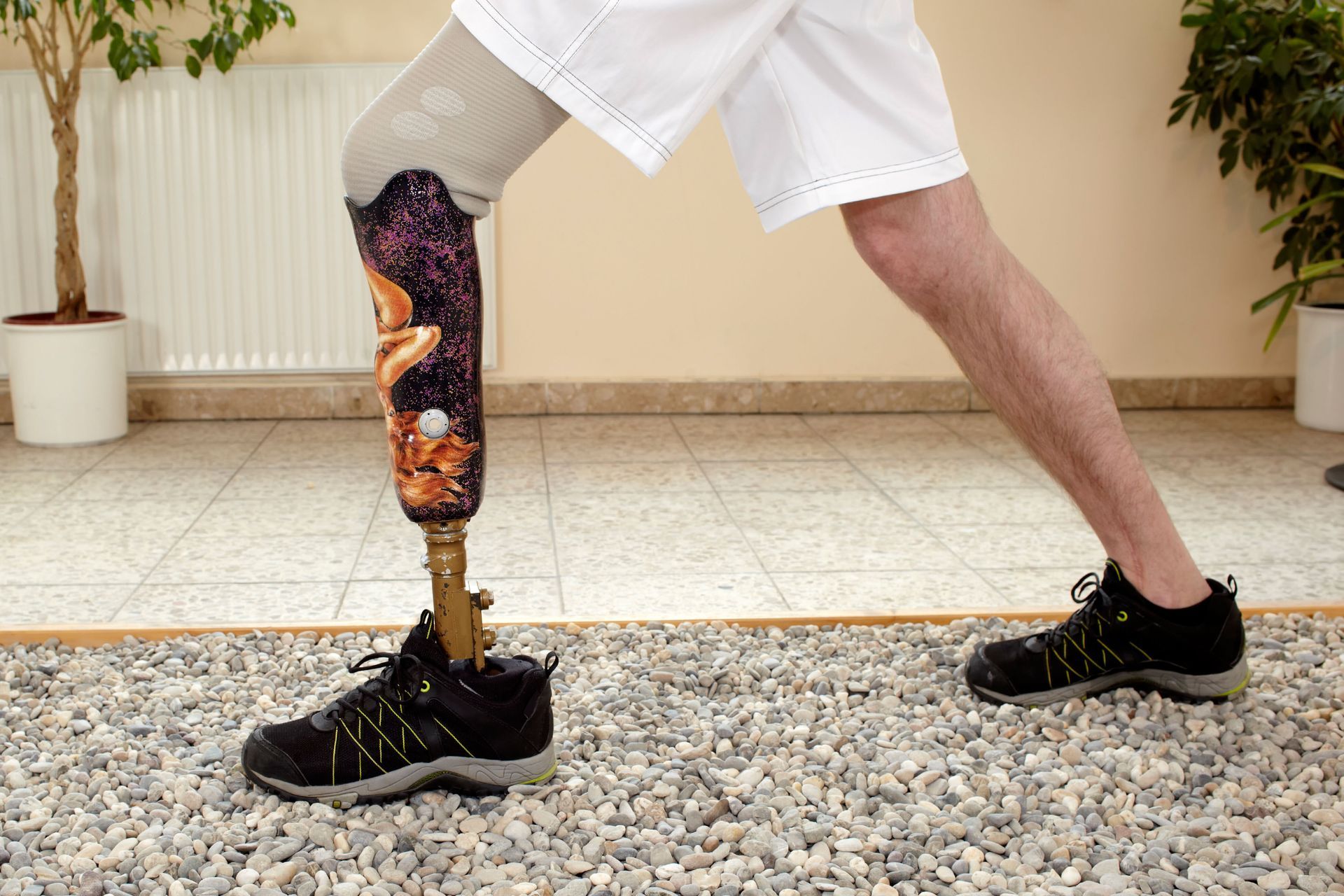
Prosthetics are critical to the rehabilitation process, working in conjunction with physical therapy to help individuals regain full function and mobility. Rehabilitation programs use prosthetics to gradually acclimate users to their new limb, building strength and endurance in the process. Tailored exercises designed specifically for prosthetic users ensure safe and effective adaptation to the device.
Physical therapists guide users through this learning phase, teaching them how to achieve balance, coordination, and efficient movement with their prosthetics. This guided approach is essential for minimizing the risk of injury, which can occur when users attempt to adapt without proper training. Structured rehabilitation ensures a smoother transition and promotes maximum functional use of prosthetics.
Emotional and Psychological Impact
Self-Confidence and Self-Esteem
Prosthetic devices have a profound impact on users' emotional health, particularly in boosting self-confidence and self-esteem. With the ability to perform daily tasks independently and efficiently, individuals regain a sense of personal agency. This autonomy enhances self-perception, fostering confidence in one's abilities and potential.
Beyond practical benefits, prosthetics can significantly alter how individuals perceive themselves, affecting their attitudes and interactions. The visible presence of a prosthesis is often closely tied to an individual's identity and self-image. High-quality prosthetic design and aesthetics help users feel whole and accepted, contributing to a more positive self-assessment.
As individuals experience the empowerment derived from increased functionality, they often engage more actively in social situations and professional settings. This active participation reinforces their self-worth and is mutually beneficial for both the individual and the communities they engage with. The cycle of positive reinforcement from gained abilities and social inclusion fosters a sense of pride and accomplishment.
The Role of Support Groups and Communitie
Support groups and communities play a vital role in the emotional well-being of prosthetic users by offering shared experiences and understanding. They provide a communal space where individuals can discuss their challenges, share successes, and offer encouragement. Engaging with others who have similar experiences can alleviate feelings of isolation and offer practical advice and strategies for adapting to life with a prosthesis.
These communities foster a sense of belonging, helping individuals feel less alone in their journey. They provide opportunities to form friendships, mentor relationships, and a support network that extends beyond medical and therapeutic services. Through shared experiences, individuals can gain new insights and perspectives on managing their condition and optimizing the benefits of their prosthetics.
If you're looking for high-quality prosthetic services, reach out to Manuel Garcia Prosthetic & Orthotic Centers today!








Share On: