Why Are Custom Prosthetic Services So Important?
Custom prosthetic services play a critical role in radically transforming the lives of individuals who have undergone amputation. Beyond merely replacing a lost limb, these services provide a tailored fit and functionality, significantly impacting the physical, emotional, and social dimensions of life for amputees. By offering custom solutions, these services enable individuals to regain control and dignity, paving the way for new opportunities and enhanced quality of life.
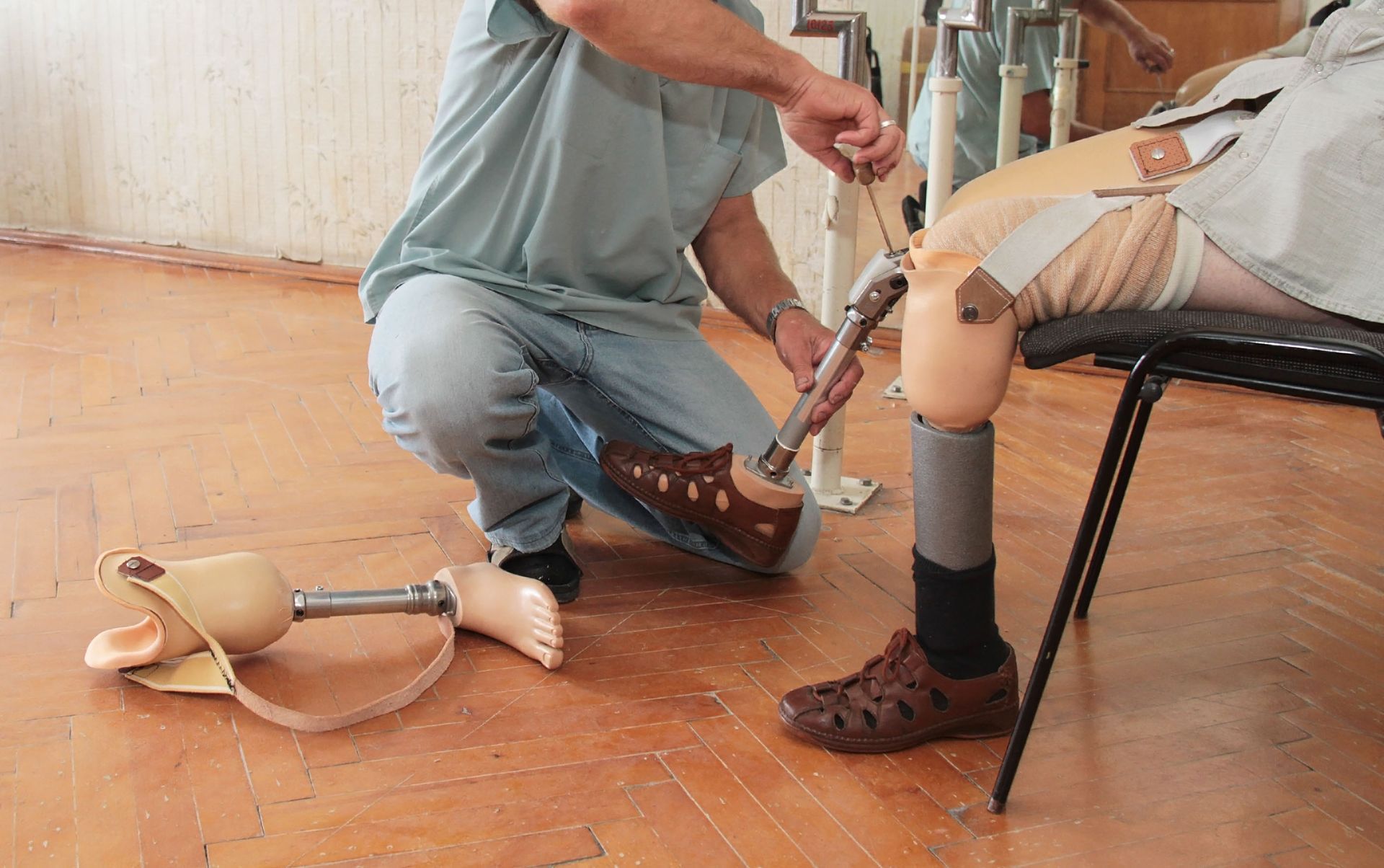
The value of custom prosthetic services extends far beyond physical replacement. They represent a collaborative healthcare process that includes assessment, design, fitting, rehabilitation, and ongoing adjustments to meet evolving needs. Off-the-shelf devices rarely account for anatomical differences, lifestyle demands, or long-term health considerations. Through personalization and innovation, individuals receive devices that align with their goals, preferences, and daily routines, creating a comprehensive pathway toward recovery and empowerment.
Physical Restoration and Mobility
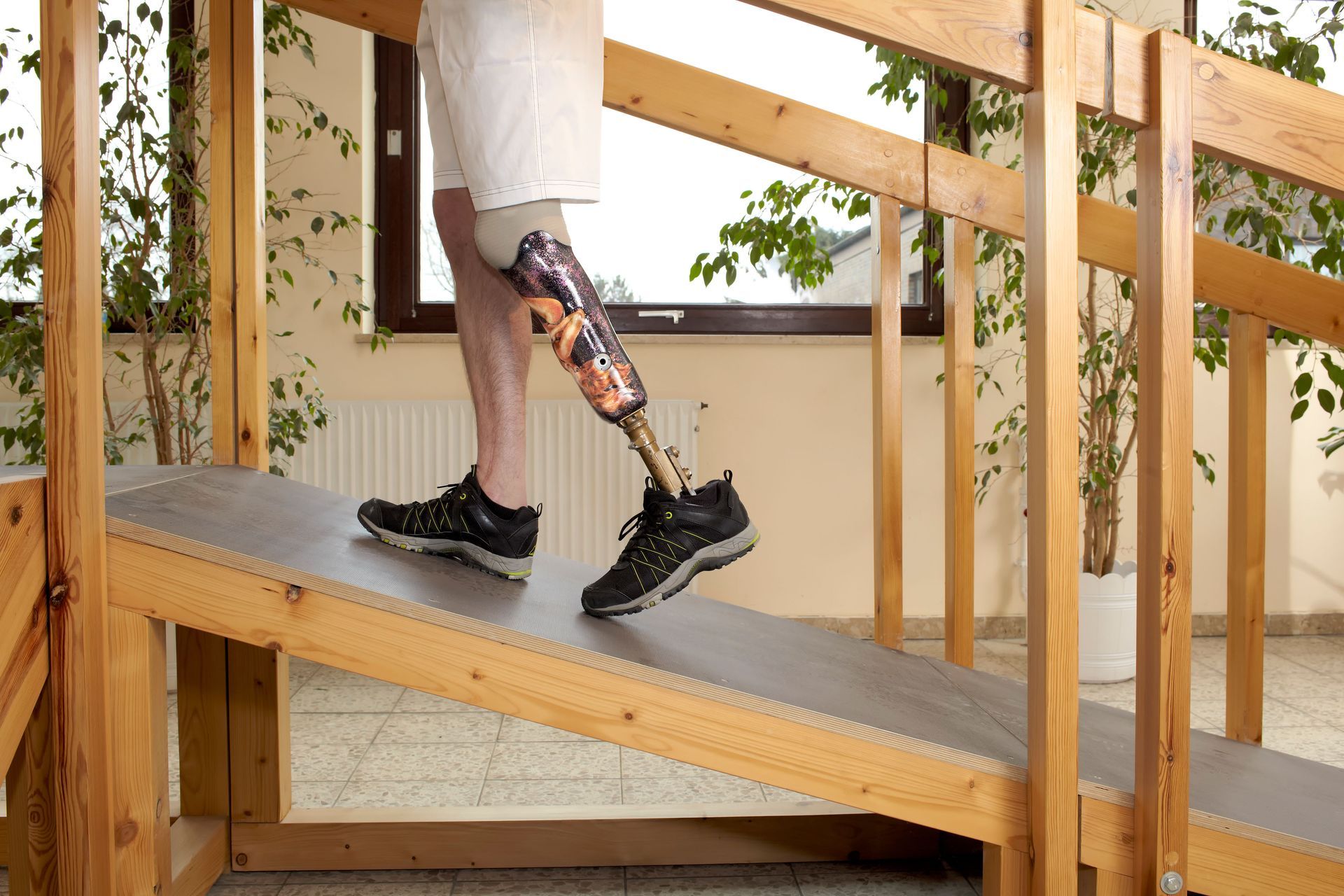
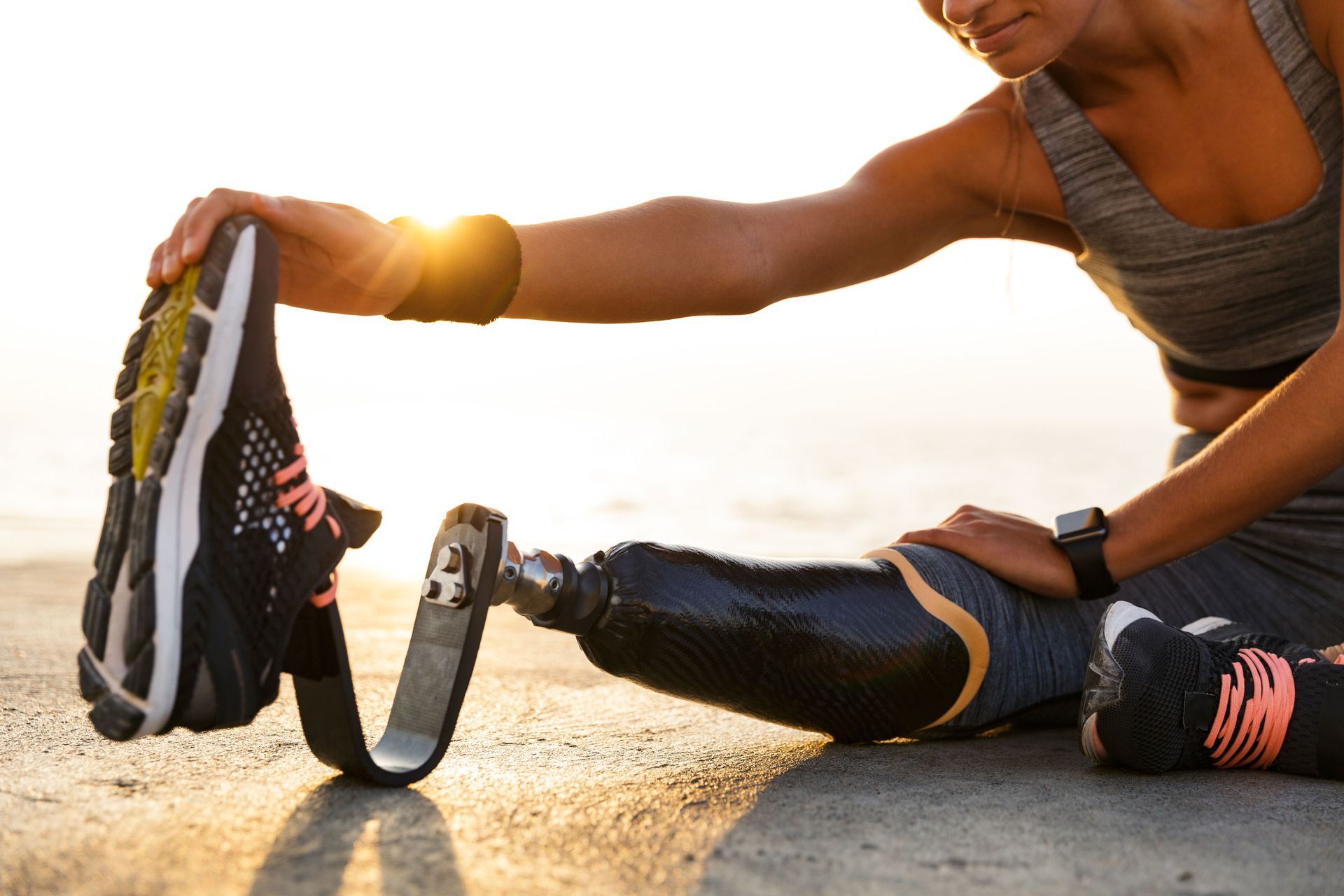
One of the most immediate benefits of a personalized prosthetic solution is the restoration of mobility. A well-designed prosthesis allows individuals to walk, grasp, lift, or balance with greater ease and efficiency. Proper alignment and socket fit are essential in promoting a natural gait and minimizing strain on other parts of the body. When mobility improves, individuals are better positioned to return to work, hobbies, and daily responsibilities that support independence and confidence.
According to the Amputee Coalition, approximately 185,000 amputations occur annually in the United States. For many of these individuals, access to custom prosthetic services can determine whether they regain functional independence or struggle with ongoing limitations. Tailored designs distribute weight evenly, reduce pressure points, and prevent secondary complications such as joint pain, back strain, and muscle imbalance. This individualized approach significantly enhances long-term physical stability and comfort.
Advanced materials such as carbon fiber and lightweight composites further improve endurance and flexibility. Breathable liners and moisture-management systems reduce skin irritation and lower the risk of infection. By prioritizing comfort and biomechanics, modern prosthetic solutions help users remain active, which in turn supports cardiovascular health, muscle tone, and overall well-being.
Prevention of Secondary Health Complications
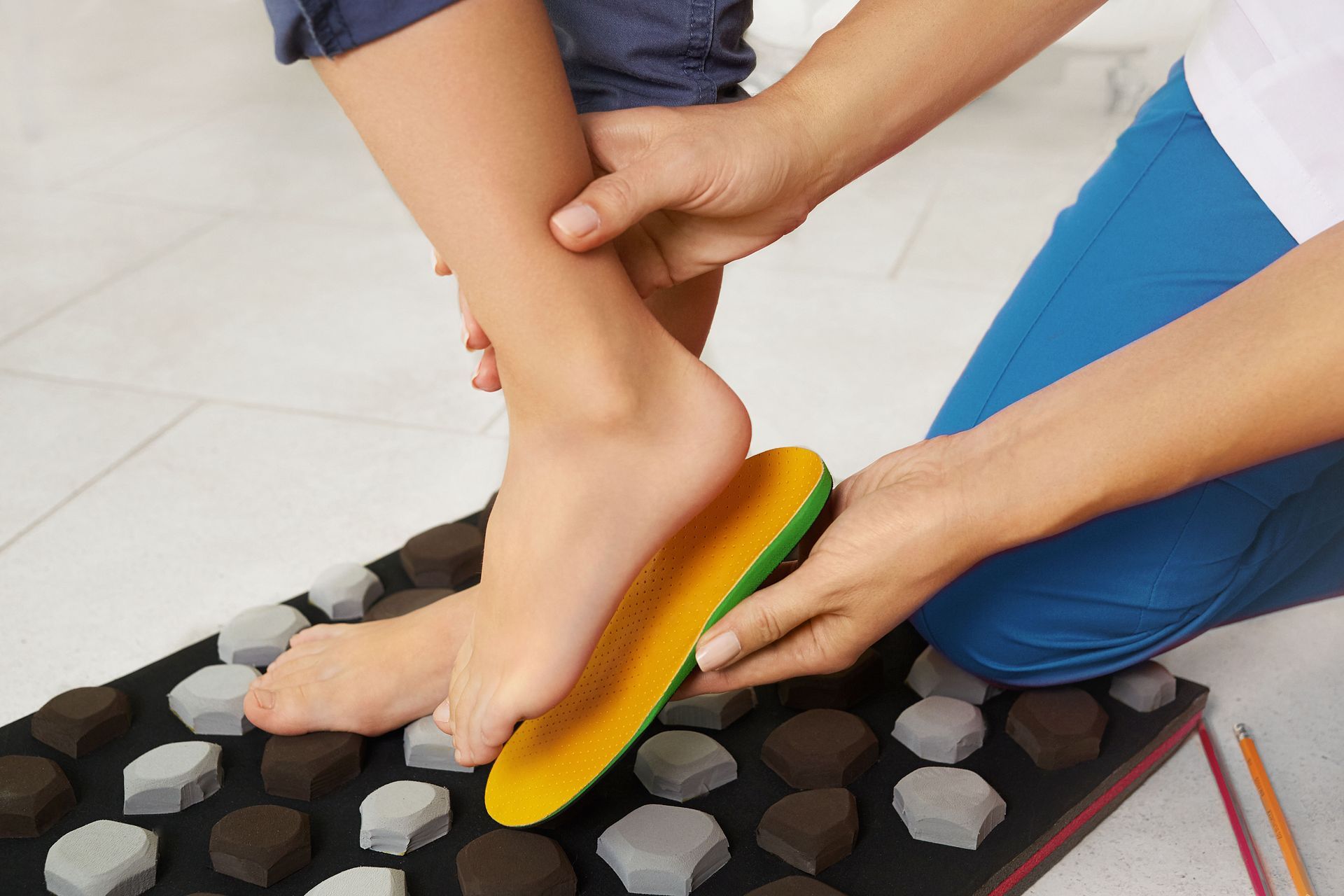
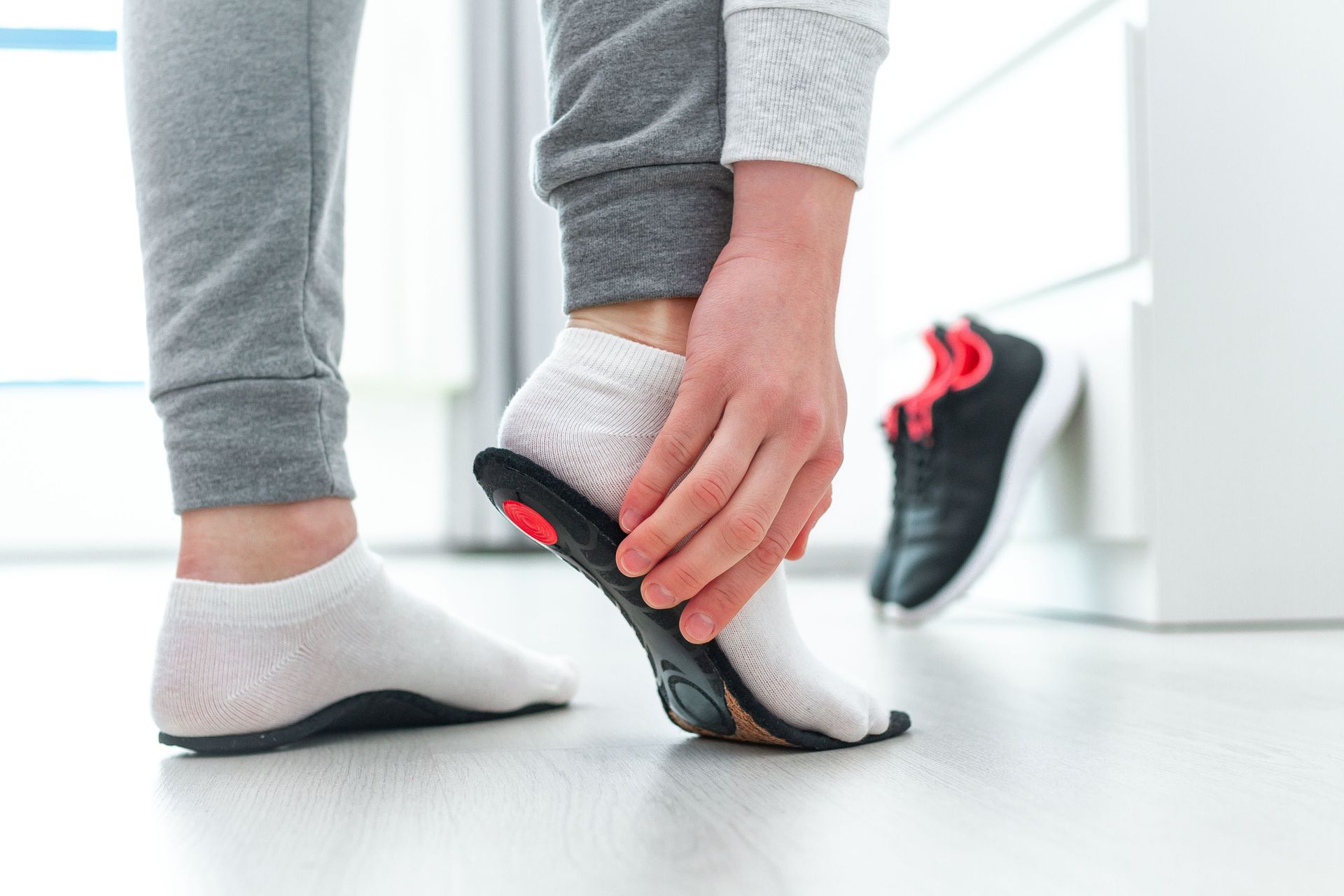
Improperly fitted prosthetics often lead to preventable medical concerns, including skin breakdown, sores, and chronic inflammation. Over time, these issues can discourage consistent prosthetic use and limit mobility. A customized approach minimizes these risks by accounting for anatomical variations, scar tissue, and sensitivity levels. This proactive design process reduces friction and pressure while supporting healthy circulation.
Physical therapists and prosthetists frequently collaborate to fine-tune alignment and functionality. As the body changes due to weight fluctuations, muscle development, or aging, adjustments can be made to maintain optimal performance. Ongoing monitoring and refinement ensure that the device continues to support healthy posture and joint integrity. This preventative strategy reduces long-term healthcare costs and enhances quality of life.
Psychological Confidence and Emotional Well-Being
The emotional impact of limb loss can be profound, affecting self-esteem, identity, and social engagement. Access to custom prosthetic services provides more than a functional device; it offers reassurance and renewed confidence. When a prosthesis fits comfortably and functions reliably, users are more likely to view it as an extension of themselves rather than a limitation. This psychological shift plays a crucial role in emotional recovery.
Improved independence often leads to reduced anxiety and depression. The ability to complete daily tasks without assistance restores a sense of control and competence. Individuals who feel capable and self-reliant are more inclined to participate in social events, pursue career opportunities, and maintain active relationships. As confidence grows, so does overall mental resilience.
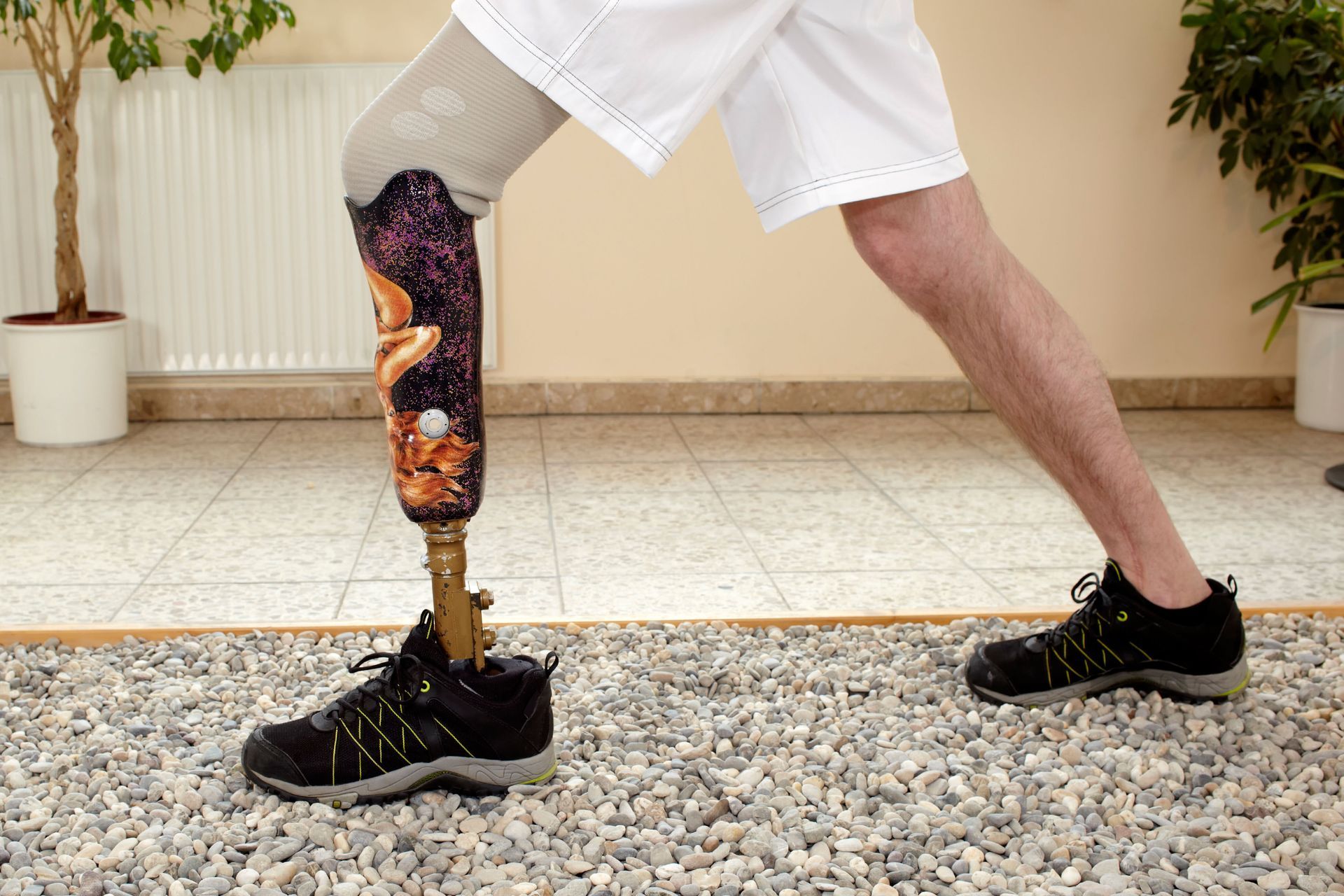
Aesthetic customization also contributes to positive body image. Some individuals prefer lifelike designs that closely resemble natural limbs, while others embrace artistic or expressive styles that reflect personality. This level of choice fosters ownership and pride, transforming the prosthesis into a symbol of strength rather than loss.
Social Participation and Lifestyle Integration
Reintegration into social and professional environments is a vital milestone in the rehabilitation journey. A personalized prosthesis supports this transition by accommodating specific lifestyle demands. Whether the goal involves returning to athletics, performing manual labor, or engaging in office-based work, tailored adaptations make participation more attainable.
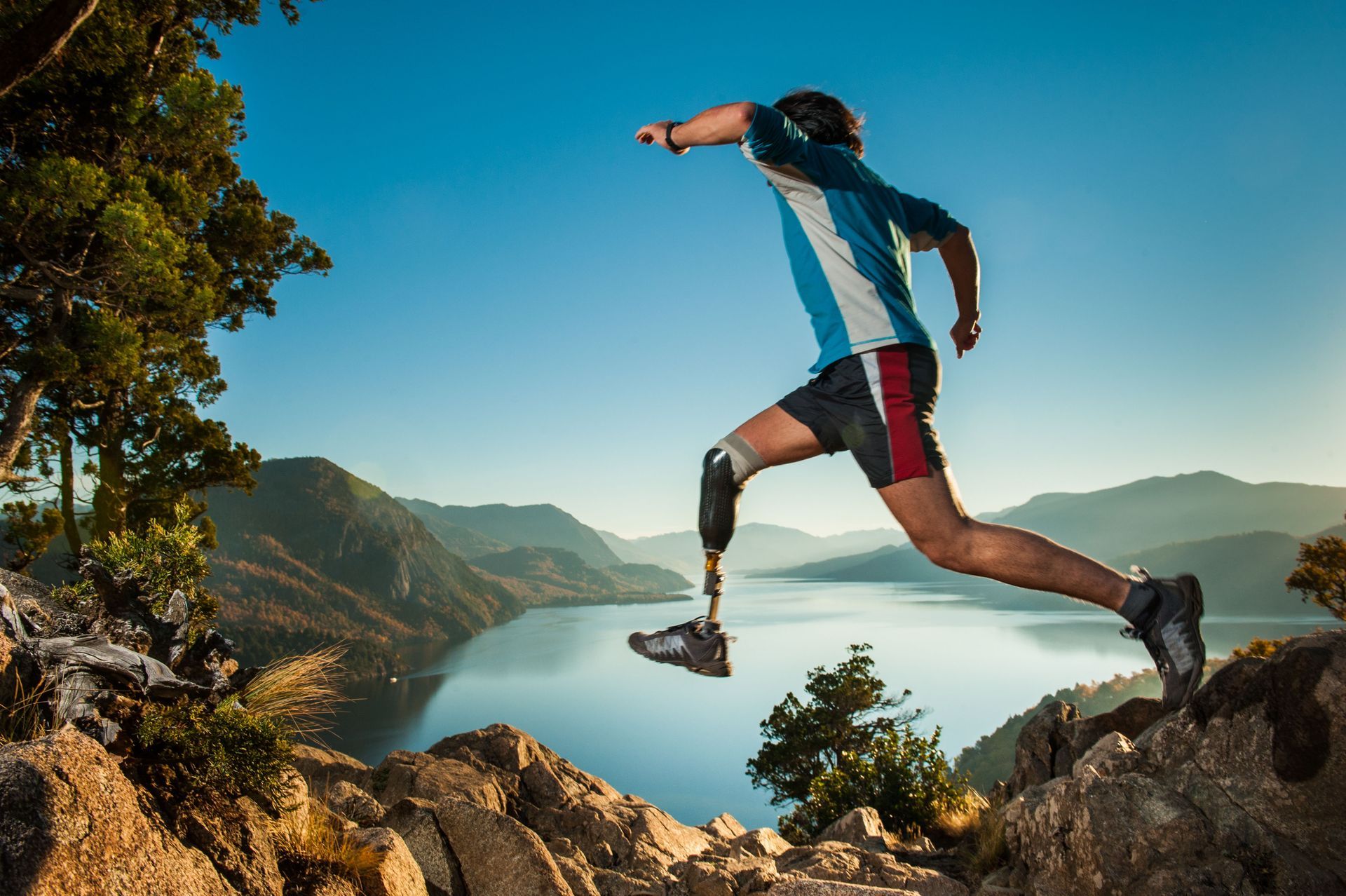
For athletes, specialized components can provide enhanced shock absorption and responsiveness. For professionals who spend long hours seated, ergonomic adjustments improve comfort and endurance. These individualized considerations demonstrate how prosthetic solutions extend beyond functionality to become enablers of ambition and productivity.
Stronger social participation reinforces emotional stability and community belonging. When individuals feel supported in pursuing their interests, they are more likely to build meaningful relationships and maintain active roles within their communities.
Technological Innovation and Smart Integration
Rapid technological progress has redefined what prosthetic devices can achieve. Modern engineering integrates microprocessors, sensors, and adaptive software that respond dynamically to movement. These features allow prostheses to adjust to walking speed, terrain, and activity level in real time, creating smoother and more intuitive motion.
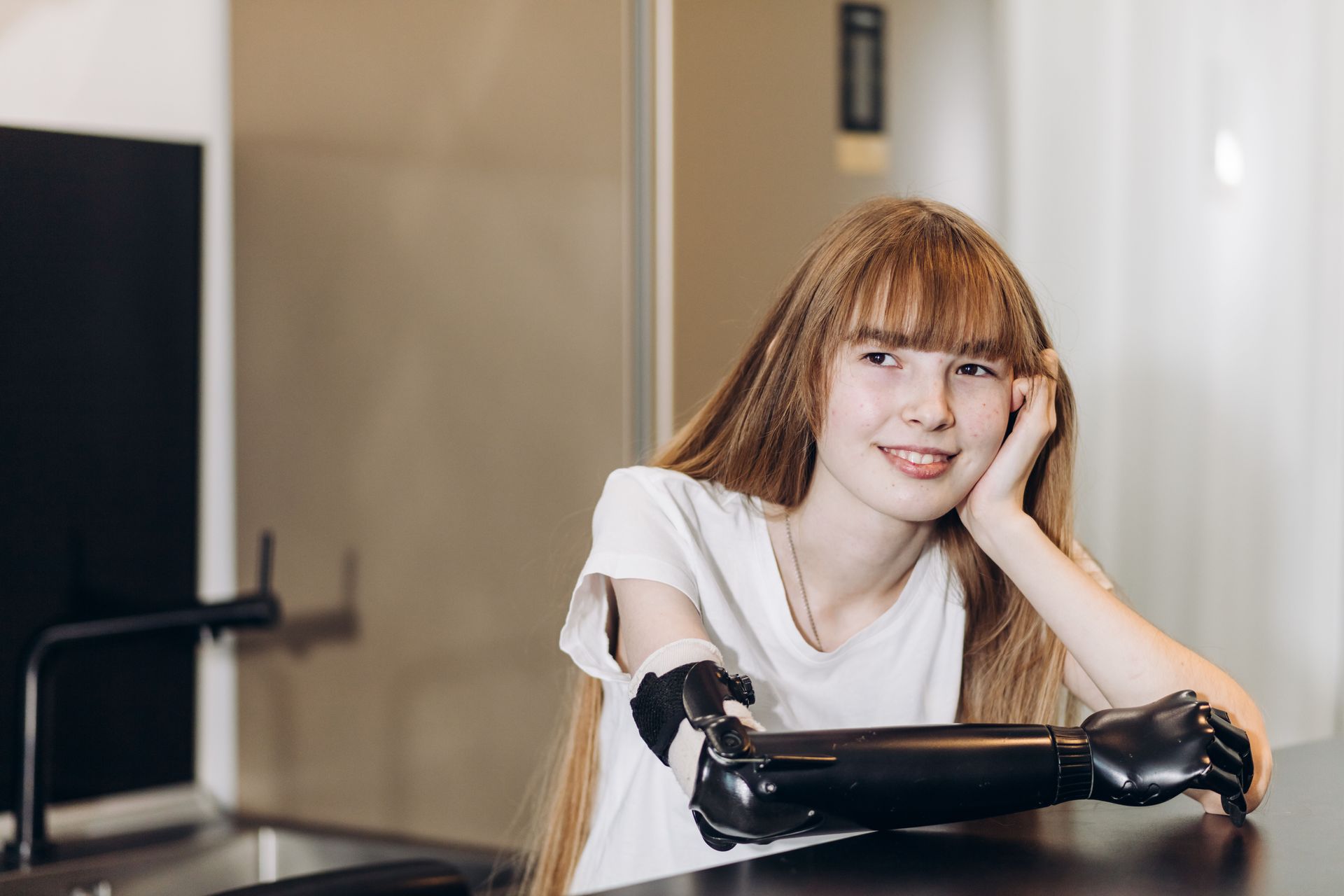
Through custom prosthetic services, users gain access to innovations such as myoelectric controls that interpret muscle signals to operate advanced hand or arm functions. Smartphone connectivity enables performance tracking and personalized calibration. This data-driven feedback enhances rehabilitation outcomes and allows clinicians to make evidence-based adjustments.
Three-dimensional scanning and printing technologies have further revolutionized production accuracy. Digital modeling captures precise anatomical details, ensuring a snug and supportive fit. These innovations reduce production timelines while maintaining high standards of durability and design flexibility.
Economic Considerations and Accessibility
The financial investment associated with prosthetic devices can be substantial. Advanced materials, microprocessor components, and specialized fittings contribute to overall costs. However, the long-term value often outweighs the initial expense. By restoring independence and reducing medical complications, custom prosthetic services can decrease ongoing healthcare expenditures and caregiving needs.
Insurance coverage remains a critical factor in accessibility. Advocacy efforts continue to push for comprehensive policies that recognize prosthetic devices as medically necessary rather than optional equipment. Broader coverage ensures that individuals from diverse socioeconomic backgrounds can benefit from high-quality solutions.
Emerging manufacturing efficiencies, including scalable 3D printing and streamlined digital workflows, may help lower production costs over time. As innovation continues, improved affordability could expand access to advanced prosthetic technologies worldwide.
Long-Term Adaptability and Ongoing Support
The journey with a prosthetic device does not end after the initial fitting. As individuals grow, age, or change activity levels, their prosthetic needs evolve. Continuous evaluation and adjustment are essential for maintaining comfort and performance. Follow-up care ensures that alignment, fit, and technological components remain optimized.
Education and training also play a vital role in maximizing benefits. Users learn how to maintain their devices, interpret feedback systems, and incorporate new features into daily routines. This partnership between clinician and patient strengthens outcomes and fosters long-term satisfaction.
By emphasizing adaptability and support, providers help individuals sustain progress and confidently navigate life transitions.
Transformative Impact and Future Outlook
The comprehensive influence of custom prosthetic services spans physical restoration, psychological resilience, social engagement, and economic empowerment. Each dimension reinforces the others, creating a cycle of improvement that enhances overall quality of life. When individuals regain mobility and confidence, they are better equipped to pursue education, employment, and personal fulfillment.
Continued innovation promises even greater integration between human capability and technological advancement. As research expands and accessibility improves, prosthetic solutions will likely become more intuitive, affordable, and widely available. The future holds significant potential for expanding opportunity and inclusion for individuals living with limb loss.
Ultimately, custom prosthetic services represent more than a medical intervention; they embody a commitment to dignity, independence, and human potential. By addressing individual needs with precision and compassion, these services open doors to renewed possibility and a more empowered life. Contact Manuel Garcia Prosthetic & Orthotic Centers today and get connected with our prosthetic services.








Share On: