Why You May Need Custom Orthotics and How They Help
Custom orthotics play a pivotal role in improving physical mobility, alleviating chronic discomfort, and enhancing overall body alignment. When an individual suffers from structural foot irregularities, the impact radiates far beyond the feet, often causing pain throughout the ankles, knees, hips, and lower back. Choosing custom orthotics ensures that your unique foot structure receives tailored support, making a substantial difference in your daily physical well-being. In many cases, patients report significant improvements in their energy levels and posture after transitioning to custom orthotics. By addressing these structural irregularities, custom orthotics can serve as a long-term solution to chronic pain management and injury prevention.
Explore the Fundamentals of Foot Support
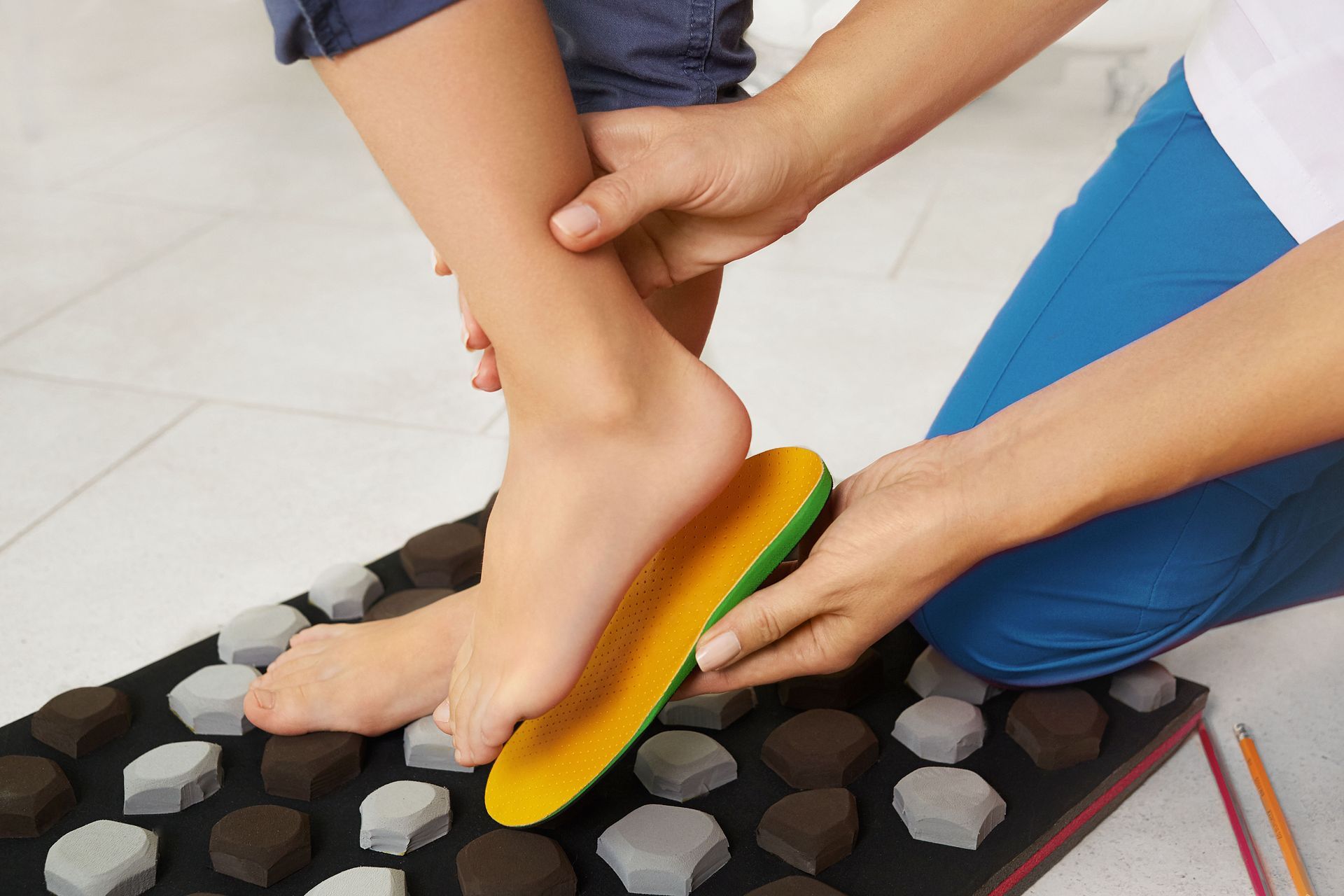
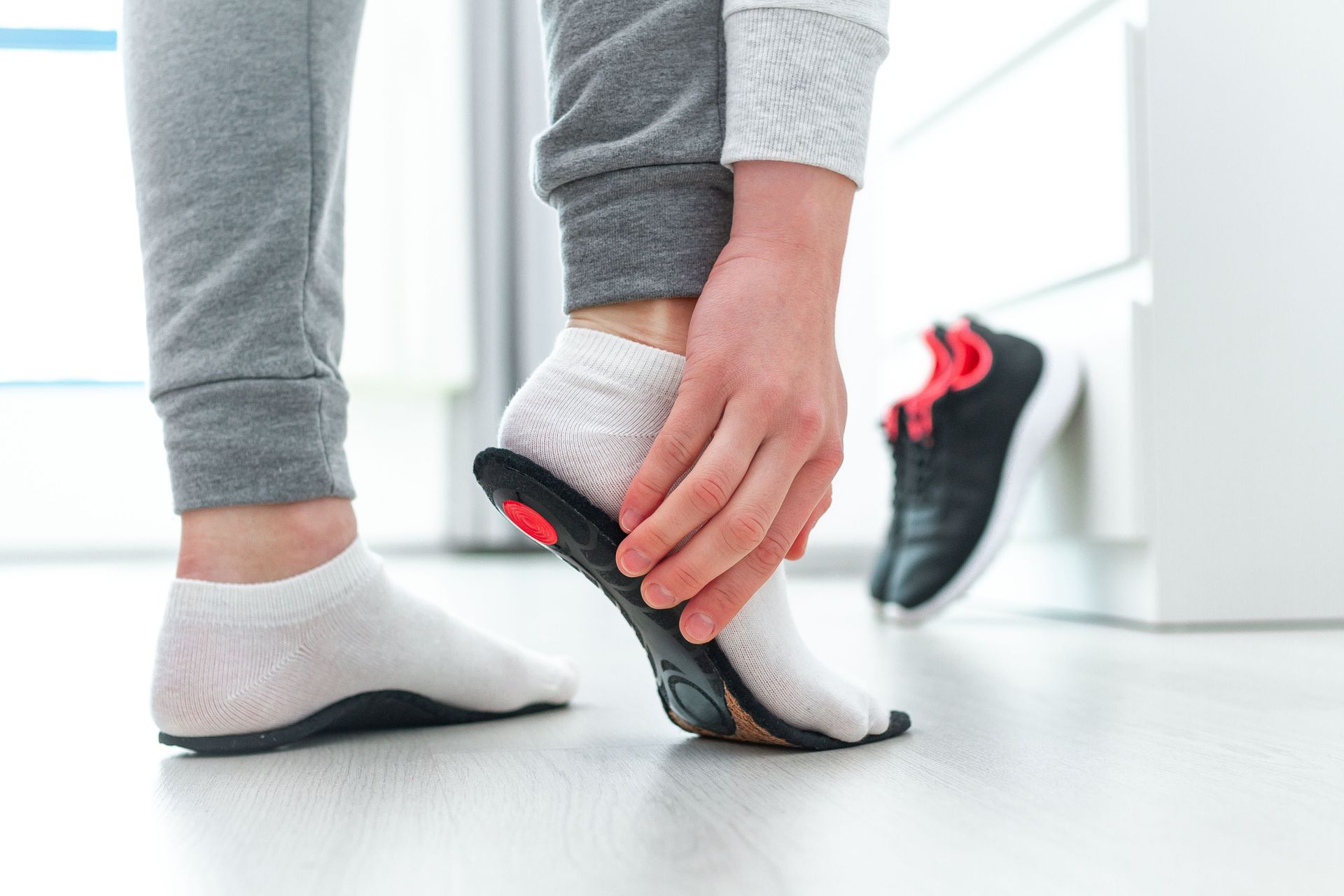
Orthotics are specialized prescription devices placed inside footwear to correct structural issues and control foot movement. By stabilizing the arches and heels, custom orthotics work to reduce unnecessary stress on soft tissues and surrounding joints. These devices are suitable for people of all ages, helping individuals recover from injuries or manage lifelong structural conditions. With the right orthotic support, even chronic conditions like plantar fasciitis can be effectively managed or minimized. This intervention aids in restoring the natural mechanical function of the foot, leading to enhanced overall limb performance.
Distinguish Prefabricated Options From Tailored Devices
While over-the-counter insoles exist in many retail stores, custom orthotics offer a level of precise structural alignment that mass-produced inserts simply cannot match. Store-bought options use generic shapes that fail to address unique anatomical variations. Conversely, custom orthotics are fabricated to match the exact contours of an individual's foot, targeting specific pain points and biomechanical flaws effectively. This bespoke approach translates to immediate and noticeable improvements in comfort and mobility. Such precise customization facilitates better adaptation to daily movements and activities, enhancing the user's experience significantly.
Understand the Anatomy of Precision Insoles
A properly engineered orthotic device consists of carefully selected components designed to stabilize the foot. Incorporating heel cups, targeted arch supports, and specialized cushioning, custom orthotics redistribute weight evenly across the entire surface of the foot. This level of intentional design ensures maximum shock absorption and pressure relief during daily activities. Such tailored distribution of support helps in maintaining long-term foot health. Additionally, it plays a crucial role in minimizing the risk of injury during high-impact activities.
Learn the Evolution of Foot Care
Foot support technology has advanced dramatically from the rigid leather and metal devices used in previous centuries. Modern custom orthotics utilize lightweight, ultra-durable materials that adapt to dynamic physical movements. Contemporary digital scanning techniques allow technicians to capture exact foot dimensions, ensuring that modern devices offer maximum support without adding unnecessary bulk. The seamless integration of cutting-edge technology and medical expertise enhances the effectiveness of foot care solutions today. This progress marks an impressive leap forward in providing both comfort and functionality in foot support.
Debunk Common Myths Surrounding Support Devices
Many people mistakenly believe that supportive insoles are intended only for senior citizens or elite athletes. In reality, individuals from all walks of life benefit from the structural alignment provided by custom orthotics. Another common misconception is that supportive devices weaken foot muscles, whereas they actually improve muscle efficiency by restoring natural biomechanical movement. Regular use of orthotics can also prevent recurring injuries by ensuring proper alignment and distribution of forces during movement. These devices empower everyday users to maintain an active, pain-free lifestyle through reliable support.
Recognize Key Indicators of Foot Strain
Persistent pain in the heels, arches, or balls of the feet often signals an underlying structural issue. Issues like severe flat feet, unusually high arches, and plantar fasciitis frequently disrupt healthy walking patterns. Utilizing custom orthotics helps relieve pressure on inflamed tissues, allowing individuals to move comfortably throughout the day. Addressing such symptoms early on can prevent more significant mobility issues in the future. Timely intervention can effectively protect against further joint or ligament damage.
Identify Subtle Signs You Need Support
Frequent ankle sprains, unexplained lower back pain, and uneven wear patterns on shoe soles all point toward improper alignment. Ignoring these subtle indicators can lead to progressive joint degradation and long-term movement limitations. Seeking professional evaluation at the first sign of ongoing discomfort helps prevent minor imbalances from becoming severe, chronic issues. Proactive assessment and intervention can dramatically improve overall well-being and life quality. Prioritizing early detection ensures a quicker return to peak physical condition.
Value Professional Biomechanical Assessments
Specialists utilize advanced diagnostic tools, such as digital gait analysis and pressure mapping, to evaluate lower limb function. These assessments reveal exact movement anomalies that contribute to localized or systemic pain. By relying on precise clinical data, specialists can design corrective strategies that address the root cause of physical discomfort. Such tailored interventions emphasize preventive care, reducing the likelihood of recurrent issues. This comprehensive approach is fundamental for sustainable foot health management.
Prevent Long-Term Structural Damage
Failing to address improper foot mechanics can lead to severe mobility challenges and extended recovery times. Without proper corrective support, simple movement can exacerbate joint inflammation and damage connective tissues. Implementing targeted biomechanical support mitigates these risks, preserving long-term mobility and supporting an active lifestyle. Incorporating appropriate support devices early can be a lifesaver, promoting lifelong joint health. Proactive measures ensure a future of continued physical freedom and vitality.
Evaluate Durable and Cushioning Materials
Modern supportive devices are crafted using high-grade materials like carbon fiber, graphite, and ethylene-vinyl acetate. Carbon fiber offers rigid, lightweight support for maximum structural control, while softer foam materials provide essential shock absorption. The strategic combination of these materials ensures long-term durability and daily comfort. This thoughtful selection of components guarantees optimal performance under various physical demands. The synergy between durability and comfort is paramount in achieving effective orthotic solutions.
Complete the Step-by-Step Customization Process
Creating a high-performing device requires a rigorous, multi-stage manufacturing process. According to recent industry analysis by Grand View Research, the global prosthetics and orthotics market size was estimated to be at $6.56 billion in 2024 and is expected to grow at a CAGR of 4.4% from 2025 to 2030. Practitioners begin by taking precise impressions or digital scans of the patient's feet. Skilled laboratory technicians then use these accurate templates to craft a fully customized, perfectly fitted device. This meticulous process ensures every orthotic device achieves the highest standard of precision and comfort. Ensuring devices meet these high standards is crucial for optimal patient outcomes.
Leverage Advanced Manufacturing Technology
Recent technological innovations have completely transformed how supportive devices are designed and manufactured. Computer-aided design software and 3D printing techniques enable precise fabrication with virtually zero margin for error. These modern advances allow for faster production times and highly reliable structural support. Such advancements have also made bespoke orthotic solutions more accessible to a broader audience. This accessibility empowers a wider demographic to benefit from cutting-edge support options.
Prioritizing your foot health is a fundamental step toward achieving lasting physical comfort, optimal body alignment, and active mobility. Investing in high-quality supportive care allows you to move through daily life without persistent pain or physical limitations. Contact Manuel Garcia Prosthetic & Orthotic Centers today to schedule a comprehensive evaluation and take the first step toward improving your quality of life. The benefits of effective orthotic intervention can lead to a dramatic boost in daily comfort and activity levels for people of all ages. This investment in your health can significantly enhance your quality of life, paving the way for an active and fulfilling future.










Share On: