How Prosthetics Help People Every Day in the United States
Adjusting to life after limb loss involves a profound transition that touches every single aspect of a person's daily existence, from physical routines to emotional well-being. Across the country, individuals face the challenge of relearning how to navigate environments that were once taken for granted. Fortunately, modern advancements in rehabilitative care offer powerful pathways for people to reclaim their autonomy, redefine their limits, and participate fully in the activities they love. The journey requires resilience, patience, and specialized care, but the impact of modern device design on everyday life is undeniably transformative. From the moment someone wakes up in the morning to the time they rest at night, these tools serve as vital extensions of the body, enabling smooth transitions between tasks and restoring a sense of normalcy. Understanding the widespread role of prosthetics in modern society highlights not only the technological progress made over the decades but also the incredible strength of the individuals who use them to build vibrant, active futures.
Restoring Independence Through Everyday Tasks
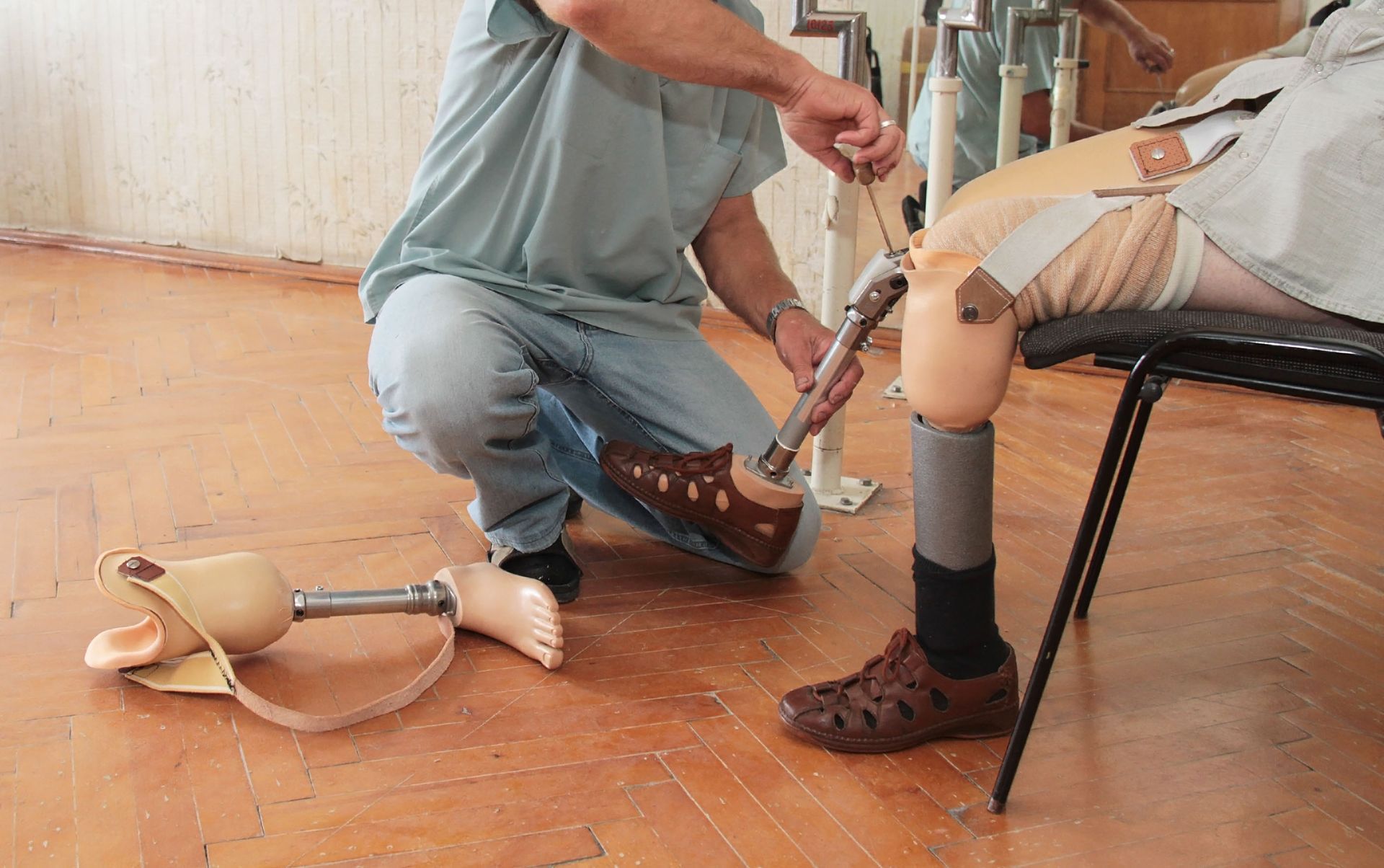
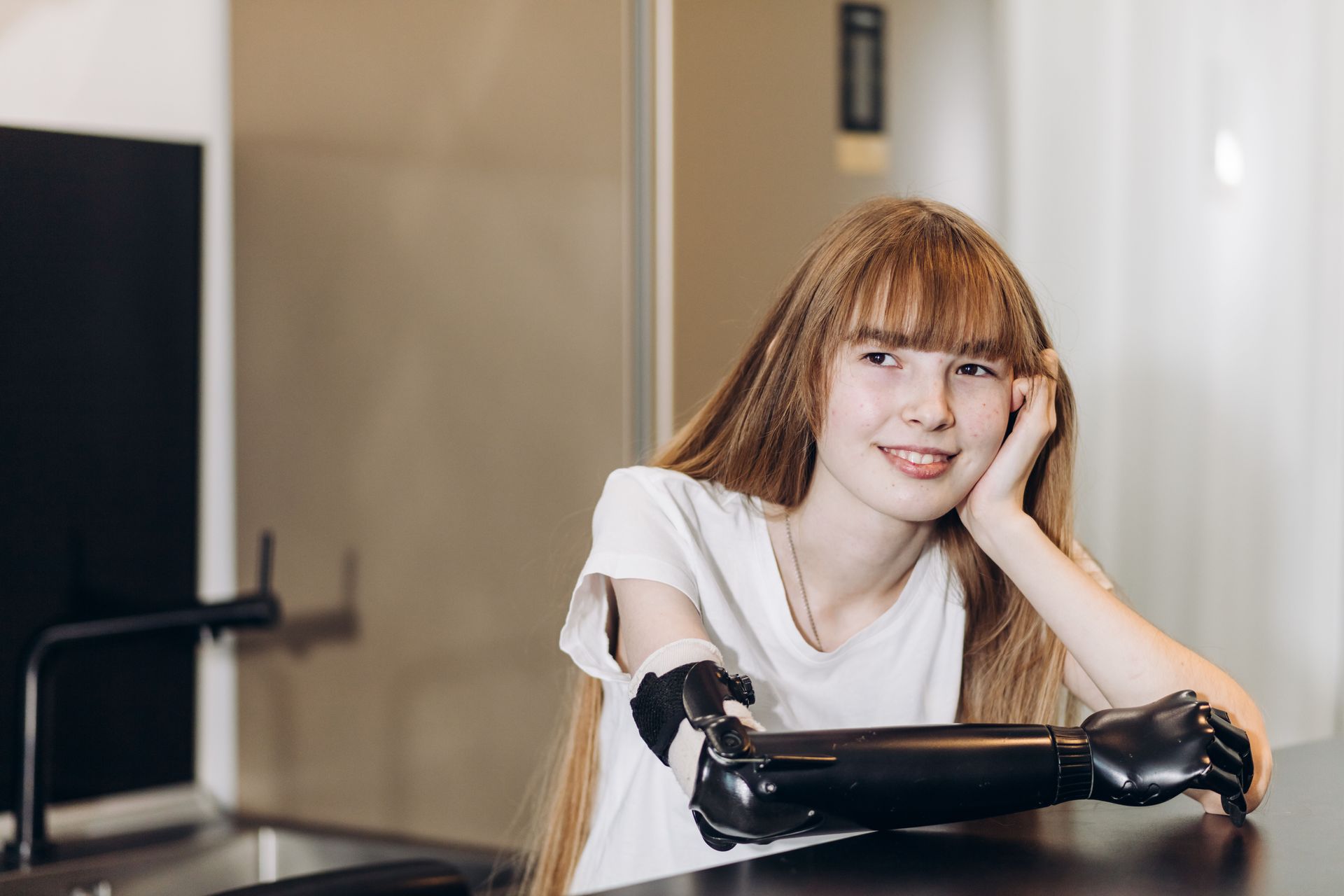
Many individuals rely on modern advancements to regain their independence after limb loss. Daily routines that once felt challenging become achievable milestones with the right support. People use these devices to brush their teeth, cook meals, and drive cars, allowing them to maintain self-sufficiency without constantly relying on others. Specialized designs cater to specific daily activities, meaning an individual might use one version for working at a desk and another for heavy lifting. The adaptation process takes dedication, but the return to an independent lifestyle provides immense emotional and physical relief. Every small victory, from gripping a coffee mug to tying a shoe, represents a step toward reclaiming normal life. By focusing on functional design, specialists ensure that everyday tasks feel natural and manageable once again. Over time, tasks that initially required intense concentration become second nature, allowing individuals to focus their energy on enjoying life rather than managing limitations. Home environments can be navigated with ease, reducing the need for extensive structural modifications or constant caregiver supervision. This renewed independence fosters a sense of dignity and self-worth that impacts every other area of recovery.
Reclaiming Mobility and Physical Freedom
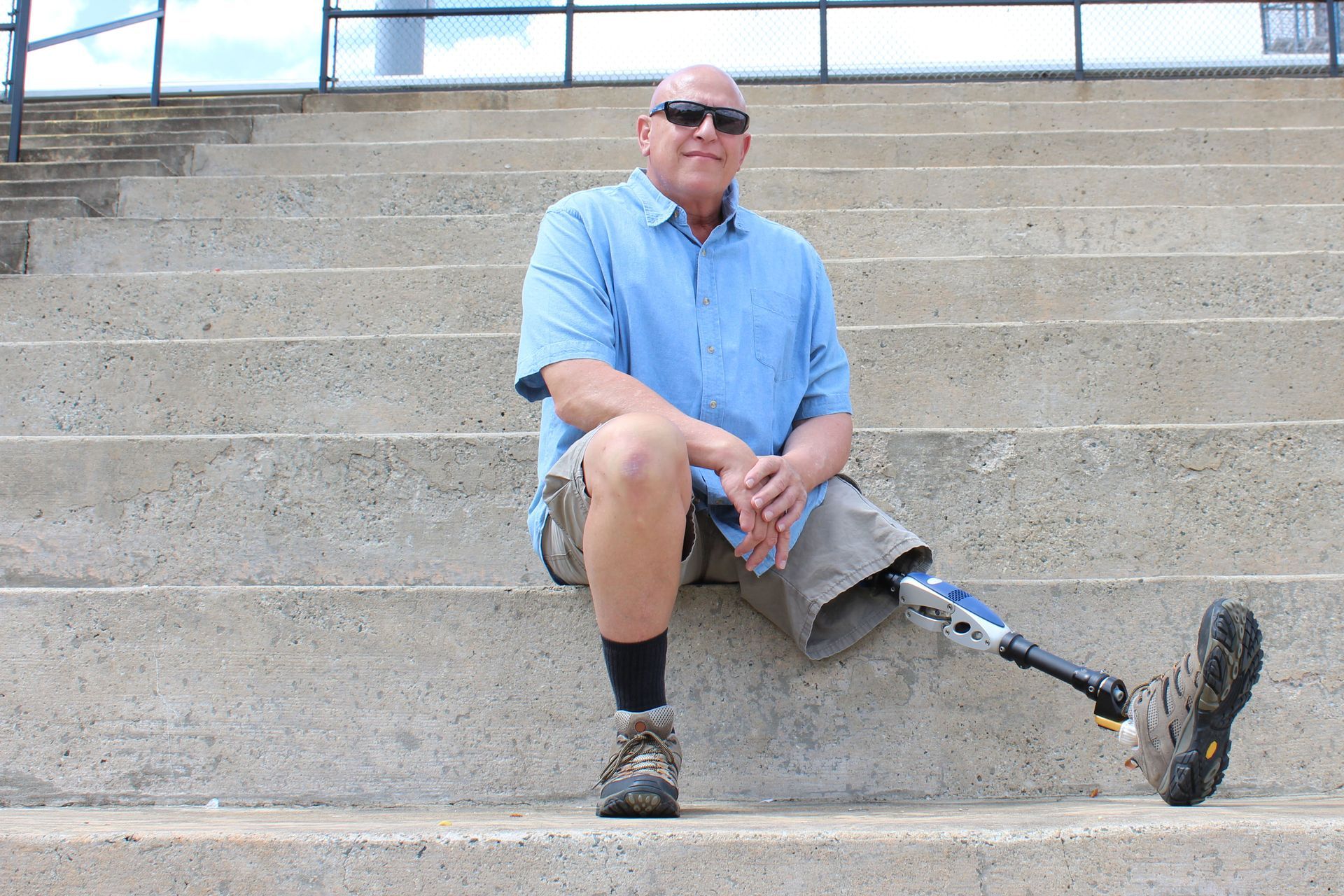
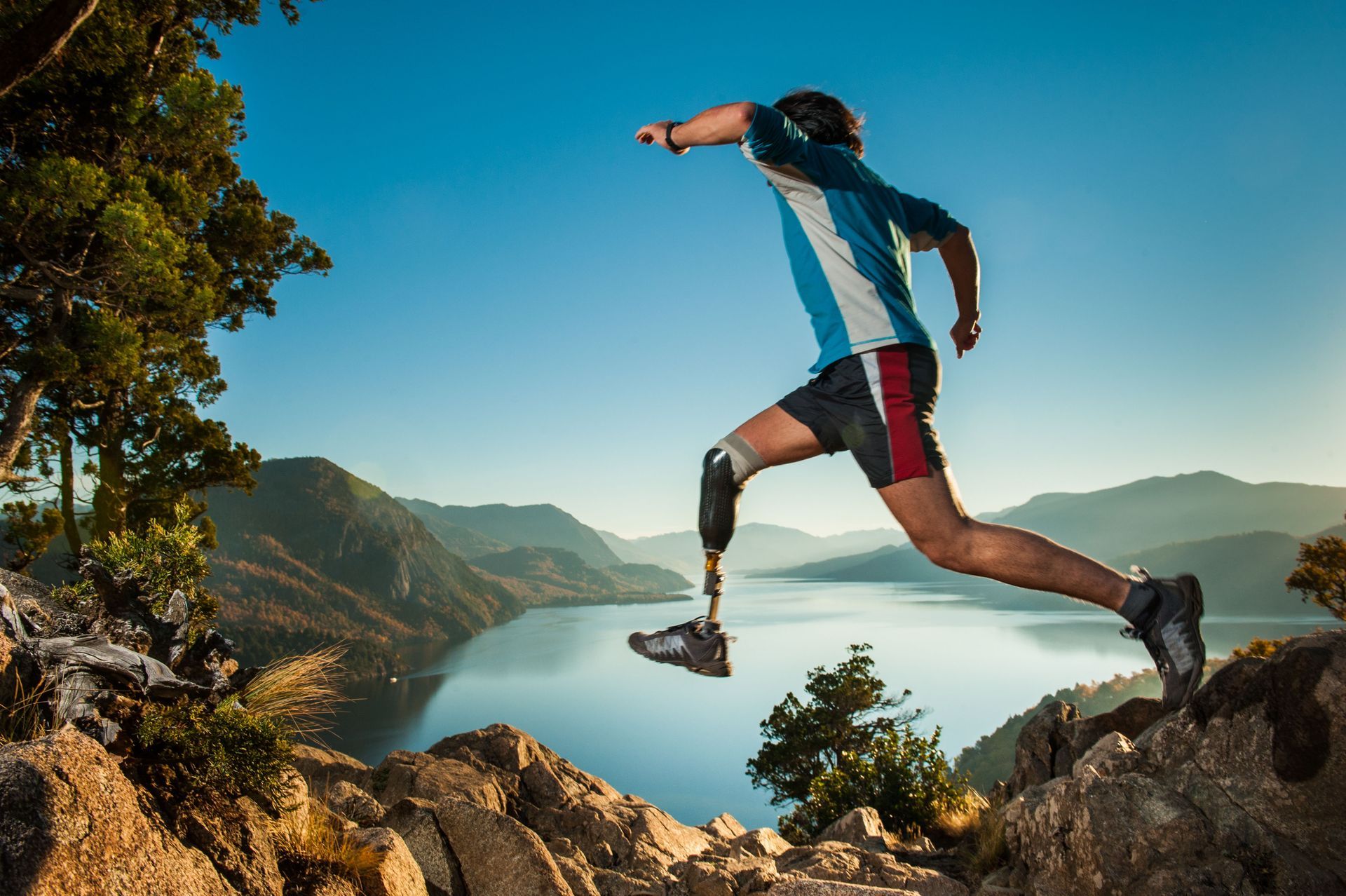
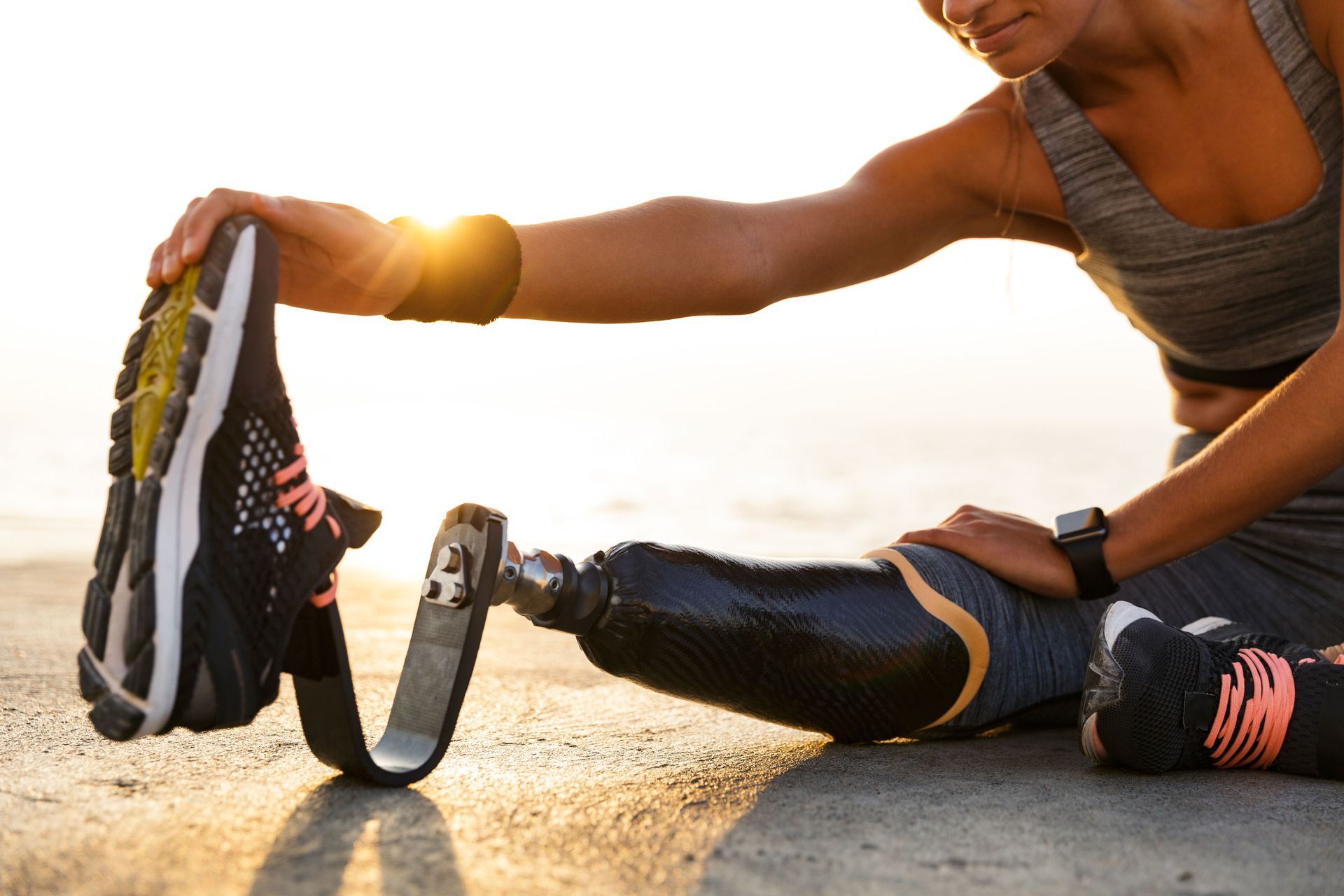
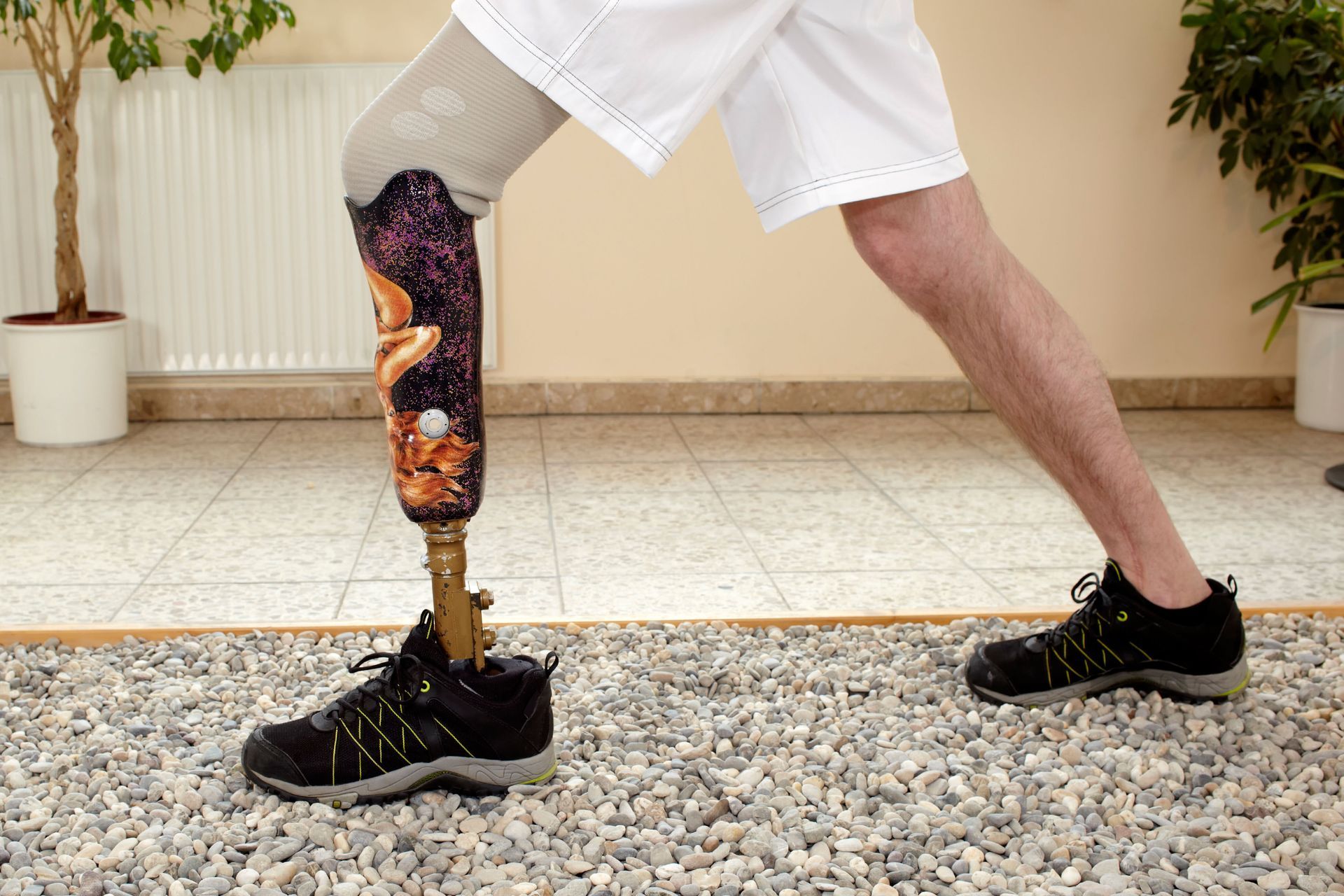
Walking, running, and navigating the physical world represent fundamental aspects of human freedom. Advanced engineering allows individuals to move across varied terrain, from smooth city sidewalks to uneven hiking trails. People wear prosthetics to return to the sports they love, whether that involves swimming, cycling, or playing basketball. Modern components mimic the natural movement of joints, reducing the strain placed on the rest of the body. This fluid motion helps prevent secondary injuries that often arise from uneven weight distribution. Staying active becomes a realistic goal rather than a distant dream for those recovering from surgery. The ability to move freely directly impacts physical health, keeping the cardiovascular system strong and muscles engaged. Through improved mobility, individuals discover that physical boundaries shrink, opening up a world of active possibilities. Whether it is a simple stroll through a local park or participating in a high-intensity marathon, the freedom of movement changes how a person interacts with their surroundings. Children and adults alike benefit from the reduced energy expenditure that modern designs provide, making long days on their feet comfortable. Physical freedom also means being able to travel, explore new destinations, and engage with the world without constant anxiety about accessibility.
Enhancing Workplace Productivity and Careers
Returning to work is a major milestone for individuals recovering from limb loss. Modern fabrications enable people to fulfill their job responsibilities across various industries, including healthcare, education, and manufacturing. Employees utilize prosthetics to stand for extended periods, operate machinery, and type efficiently at computers. Adjustable components mean that workers can modify their devices to suit specific workplace environments. This adaptability helps individuals retain their positions or pursue new career paths that might otherwise seem out of reach. Financial stability and professional fulfillment contribute significantly to a person's sense of purpose and identity. When workplaces accommodate these advanced solutions, everyone benefits from diverse talents and skills. Maintaining a career helps individuals feel integrated into their communities while continuing to achieve personal goals. Professional development no longer has to stall due to physical changes, as custom solutions allow individuals to meet the physical demands of their specific trades. From heavy labor to precise office tasks, the integration of targeted design into the workplace ensures that productivity remains high. Employers also gain valuable insight into the importance of diverse physical capabilities, fostering a more inclusive work culture overall.
Fostering Social Connections and Community Living
Human beings thrive on social interaction, and physical limitations should not stand in the way of community involvement. People wear prosthetics to attend family gatherings, participate in local events, and enjoy evenings out with friends. Being able to stand comfortably at a social gathering or walk alongside a partner drastically improves social well-being. Children who use these devices can play with peers on the playground, reducing feelings of isolation during crucial developmental years. Engaging in community life helps dismantle social stigmas surrounding limb loss, promoting a culture of inclusion. Support groups and local clubs often bring users together to share stories and tips for daily living. Staying connected with loved ones prevents the isolation that sometimes follows major medical procedures. Physical alignment with peers fosters confidence, making social outings something to look forward to rather than avoid. Interacting in public spaces becomes a source of joy rather than a cause for hesitation. Families are able to share experiences without worrying about physical restrictions hindering their plans. Community events, religious services, and volunteer opportunities all become accessible, allowing individuals to give back and feel valued by those around them.
Supporting Long-Term Mental and Emotional Well-Being
The psychological impact of losing a limb is profound, making the recovery journey as much about the mind as it is about the body. Utilizing
prosthetics helps individuals rebuild their self-esteem and body image after experiencing significant changes. The sense of accomplishment that comes from mastering a new device boosts mental resilience and fosters optimism. People often report a reduction in anxiety and depression as they regain control over their physical movements. Knowing that a solution exists to help navigate the world brings peace of mind to both patients and their families. Emotional healing accelerates when physical capabilities align with personal aspirations and desires. Overcoming the initial hurdles of fitting and training instills a deep sense of personal pride. Mental strength grows alongside physical capability, creating a balanced foundation for a fulfilling life ahead. This holistic improvement in mental health influences how patients approach future challenges, giving them the confidence to tackle new personal goals. The support of family, friends, and care providers reinforces this positive emotional trajectory, turning a difficult medical event into a story of triumph and growth.
Living with limb loss presents unique challenges, but modern advancements continue to transform lives across the country. Every day, individuals discover new ways to adapt, grow, and thrive despite physical changes. The journey involves patience, practice, and the right guidance from experienced professionals who understand the complexities of care. According to Pro Medical East, there are 1.7 million people in the United States who use a prosthetic limb. This large community reminds us that no one walks this path alone, and support is always available. Having served communities since 1972, we understand how vital customized care is for your long-term comfort and success. If you or a loved one is navigating this journey, please call Manuel Garcia Prosthetic & Orthotic Centers today to learn more about how we can support your goals at our convenient locations in Strongsville and Warrensville Heights, OH.








Share On: