
How Custom Prosthetics Support Different Lifestyles
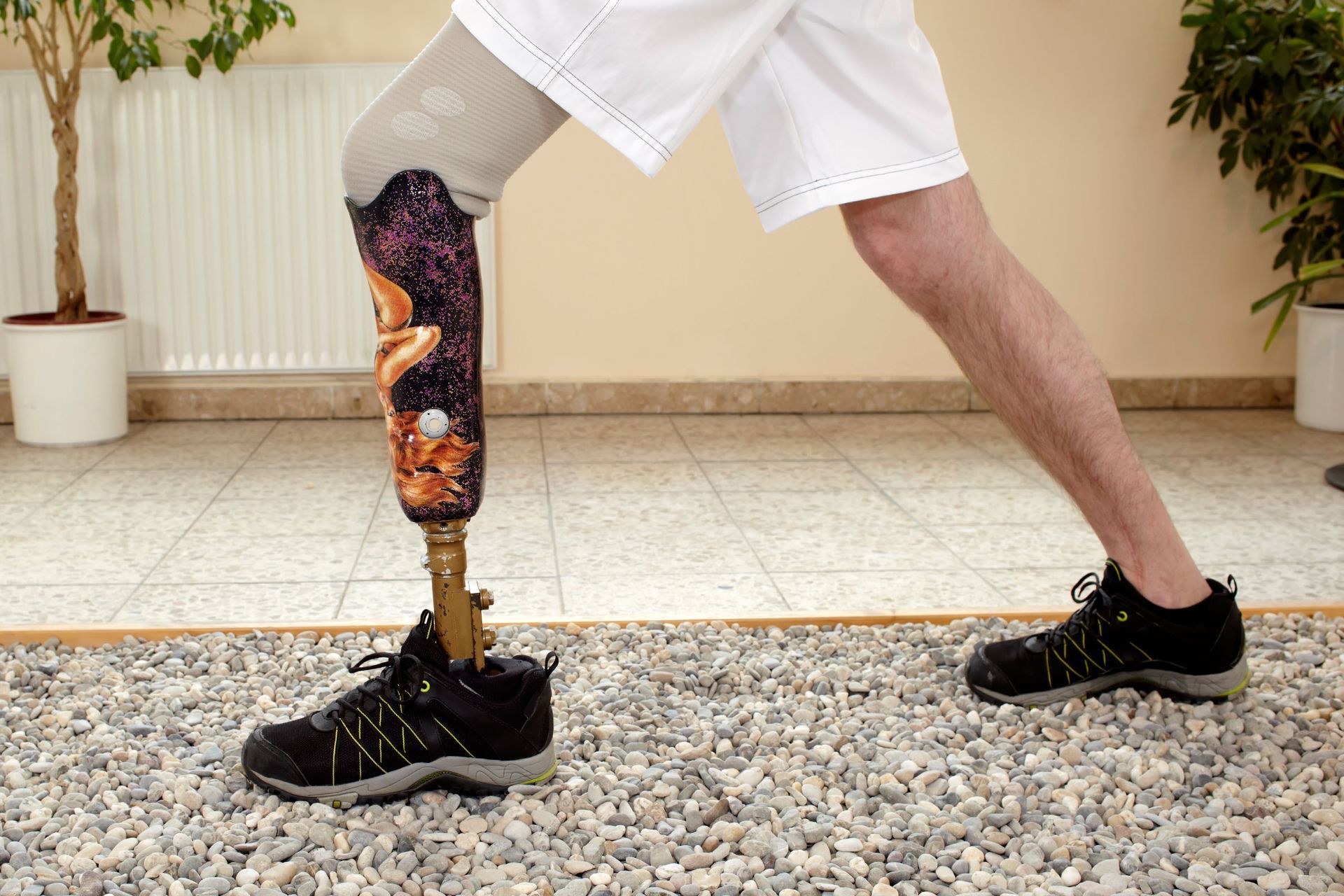
A commute, household responsibilities, time with family, and weekend recreation can ask different things of a prosthesis. Even people with similar limb differences may have very different priorities. A device that supports one person's routine may not address the activities another person most wants to pursue.
Custom prosthetics begin with those differences. Rather than treating function as a single goal, personalized prosthetic services connect fit and component choices with the life an individual leads. Comfort, daily movement, specific tasks, and changing circumstances all matter. Understanding how these considerations shape a prosthesis helps explain why customization extends beyond appearance or the choice of technology.
Begin With Personal Goals and Health History
A useful conversation about customization starts with what the person wants to do. Returning to familiar responsibilities may take priority over learning a new activity. Someone else may be interested in running, completing particular work tasks, or participating more comfortably in family outings. Specific goals give the prosthetist a clearer picture than a broad description such as wanting to be active.
Health history also belongs in that conversation. According to WifiTalents, diabetes mellitus and peripheral arterial disease together account for 85% of lower-limb amputations unrelated to trauma. For many patients, selecting a prosthesis therefore follows a medical history that remains relevant to ongoing care. Personalization needs to account for the individual as a whole, alongside the activities they hope to resume.
An evaluation through prosthetic services can bring these priorities into a practical discussion about available options. Goals, current needs, and the demands of everyday environments help guide recommendations. This establishes a starting point for care rather than assuming that a particular component will suit everyone with the same type of limb loss.
Match Everyday Movement to Real Environments
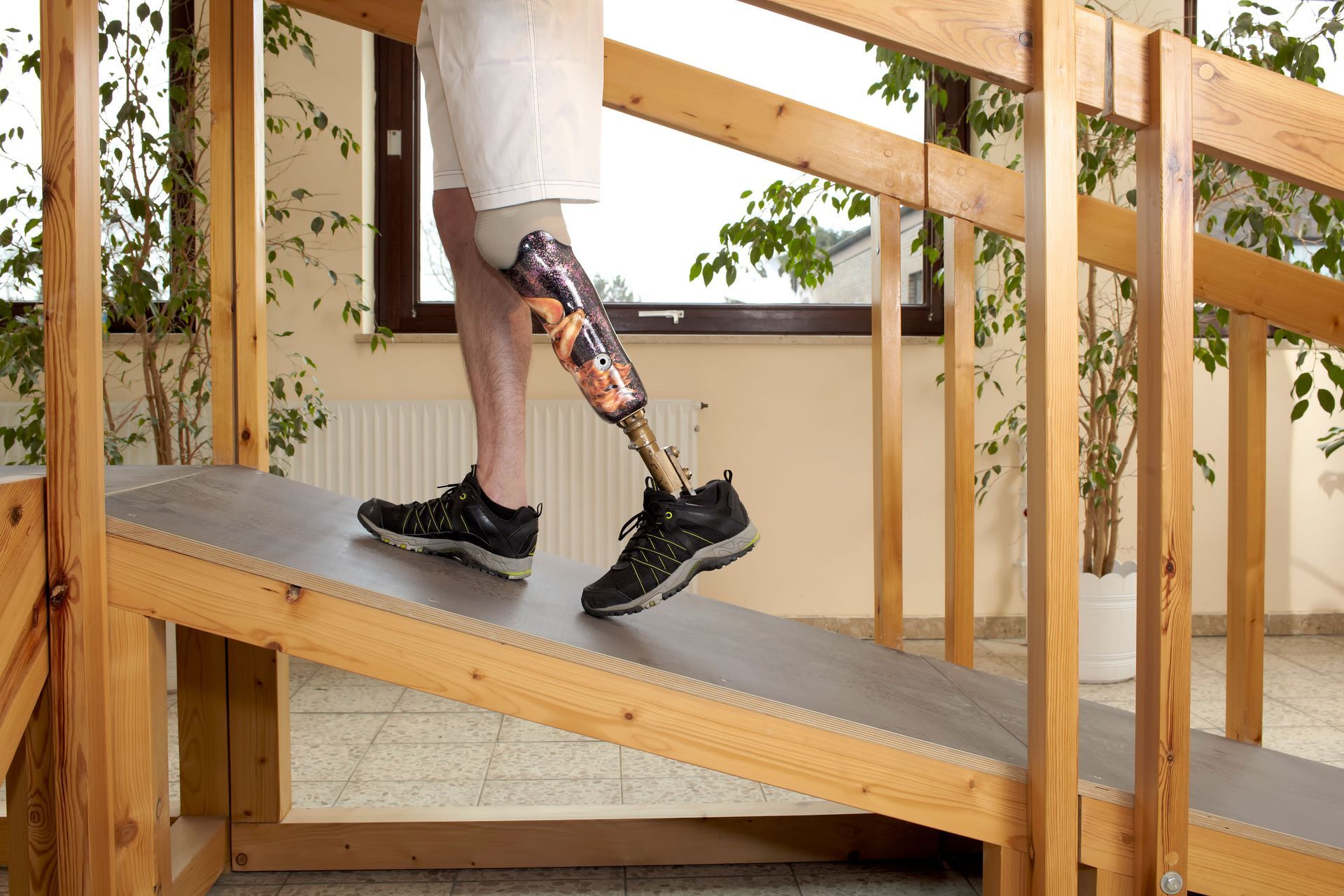
Lower-limb prosthetics must be considered in relation to where someone spends time. A routine centered on indoor activities differs from one involving frequent travel between buildings or varied outdoor surfaces. Changes in walking speed and the demands of standing, sitting, or navigating slopes can all become relevant during the selection process.
Someone who spends much of the day at a desk may value comfortable transitions between sitting, standing, and walking to meetings. Another person may encounter outdoor paths and sloped surfaces during ordinary errands. Both routines offer useful detail for the fitting conversation.
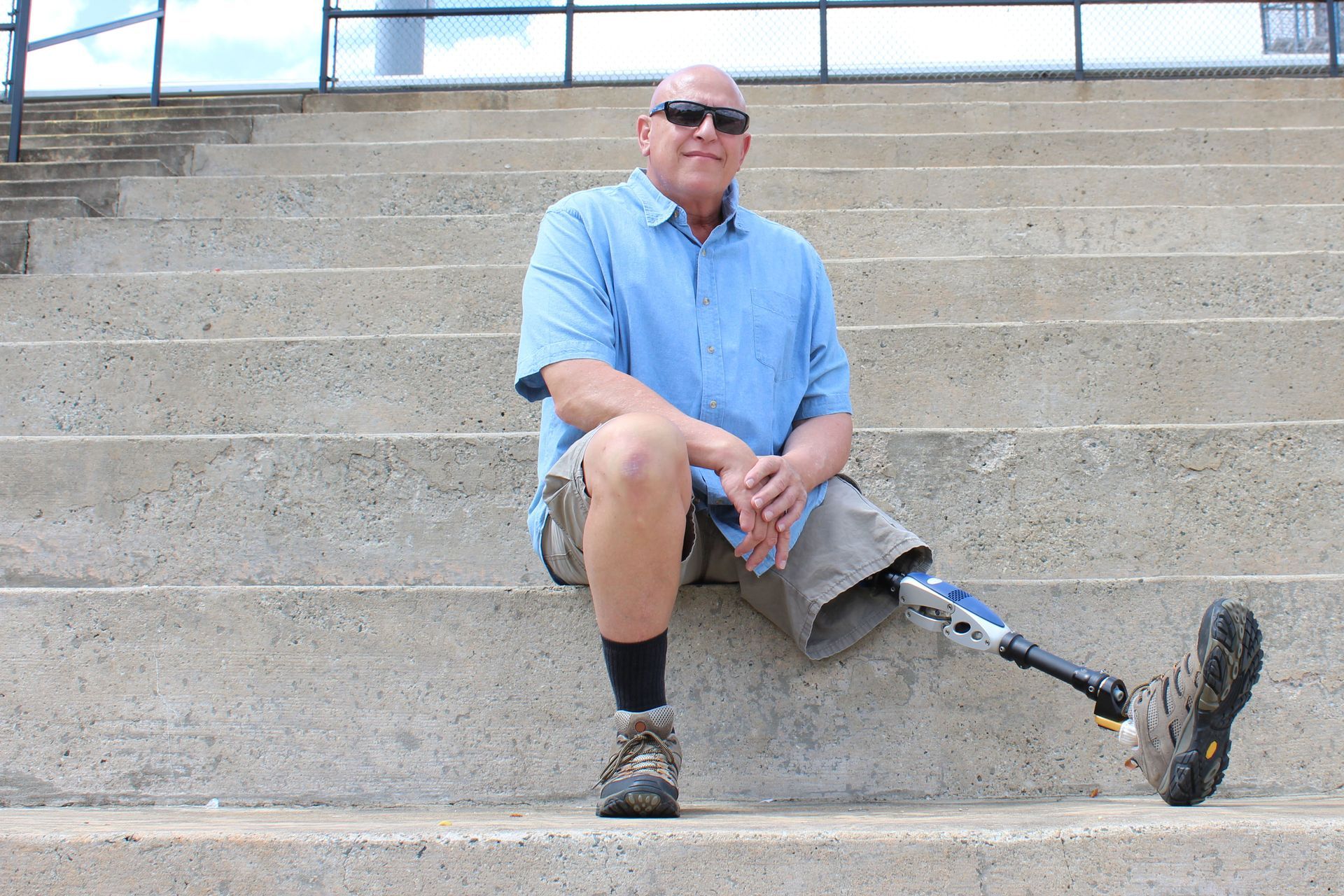
Microprocessor-controlled knee prostheses are one option for suitable users. These systems use sensors and computerized controls to respond to aspects of movement, including changes in speed and terrain. Their potential value depends on how the technology relates to the person's needs. Features become meaningful when they support movements that recur throughout a routine.
Individualized prosthetic services help connect those capabilities with actual daily use. Discussions about a commute, workplace, or typical outing provide context for component selection and fitting. Instead of evaluating a device only by its feature list, the patient and clinician can consider what those features would contribute to ordinary activities. That connection makes customization relevant to everyday life, including routines that may not appear especially demanding from the outside.
Support the Tasks That Give a Day Structure
For people with upper-limb loss or limb differences, customization often centers on specific actions. Eating, using everyday objects, and completing work responsibilities can involve different functional needs. A useful prosthesis should be considered in relation to those tasks, with room for the patient's preferences and personal style.
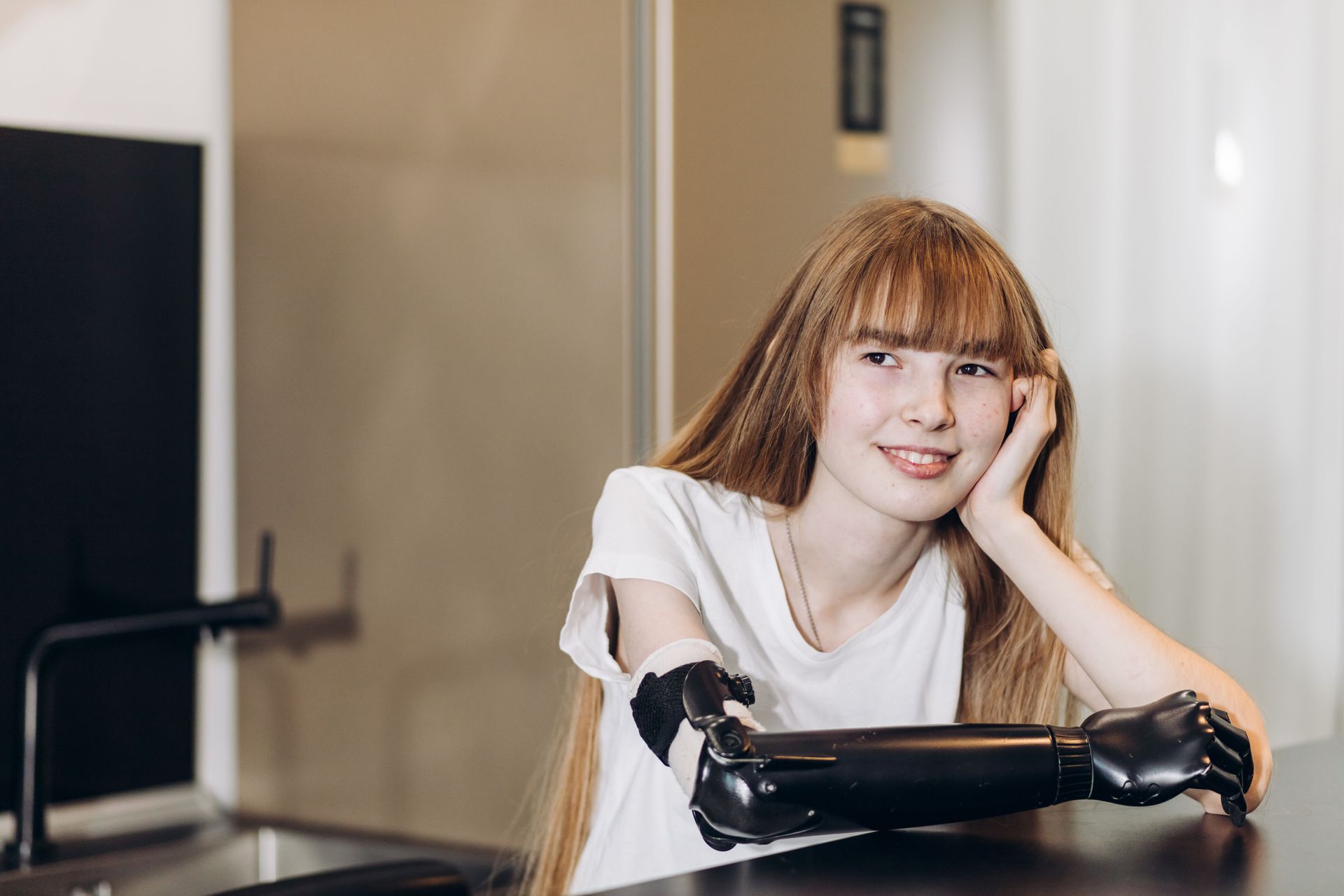
Upper-limb options include hands, hooks, and fingers with different interfaces and capabilities. Mechanical devices and myoelectric systems take different approaches to control. Myoelectric devices use electrodes to detect muscle signals, while mechanical options can use harnesses and cables or support particular functions. Understanding those differences is part of matching the device to the person rather than choosing technology in isolation.
Task-specific components can also be relevant when an activity needs a particular type of interface. The discussion may concern everyday utensils, workplace functions, or an exercise-related goal. Through prosthetic services, a clinician can evaluate which options relate to the person's intended activities. An attachment suited to eating serves a different purpose from a component fabricated for weightlifting. Giving those distinctions attention keeps individual priorities central to the selection process and makes room for activities that help a day feel familiar again.
Make Room for Recreation and Active Interests
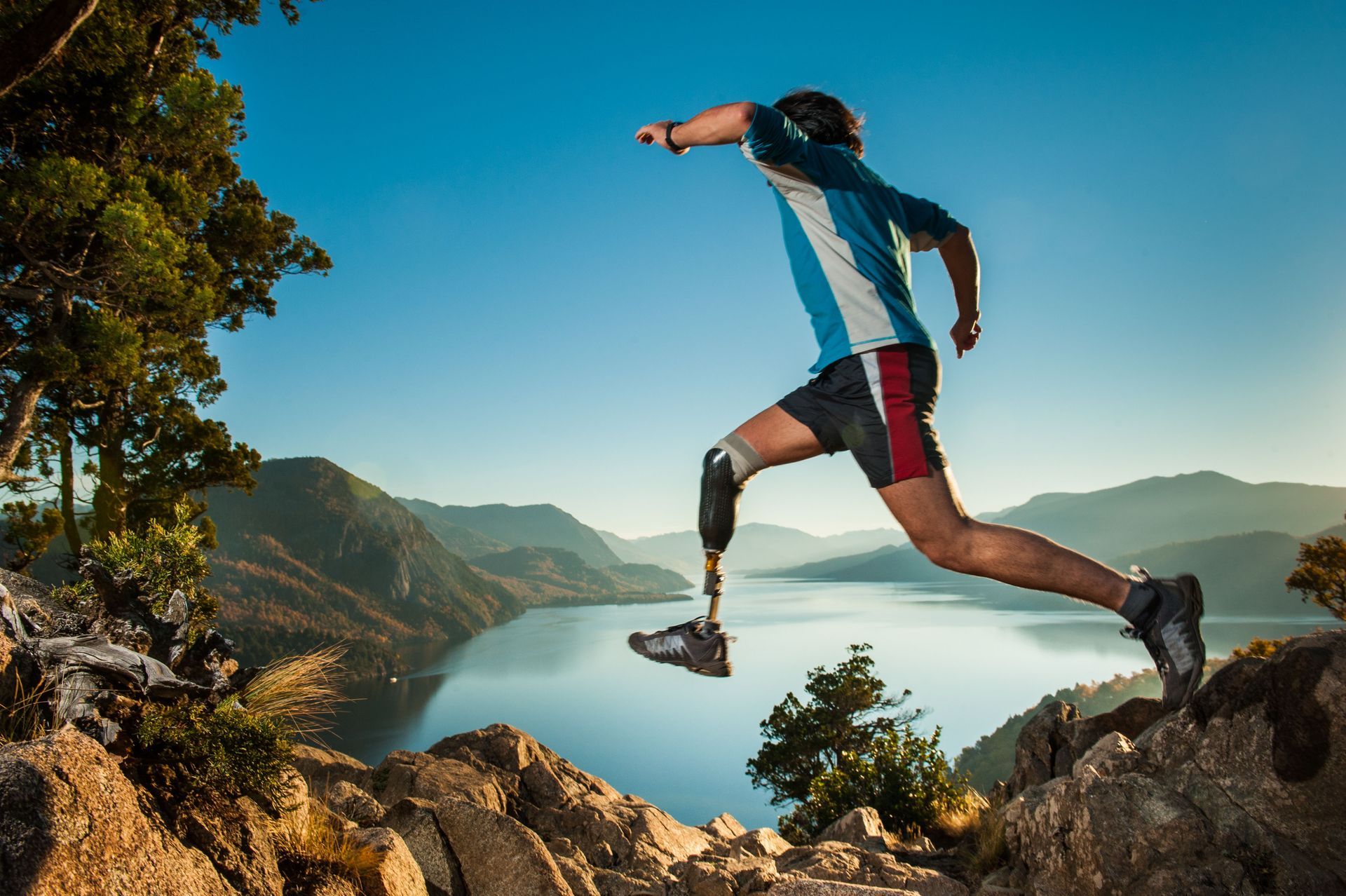
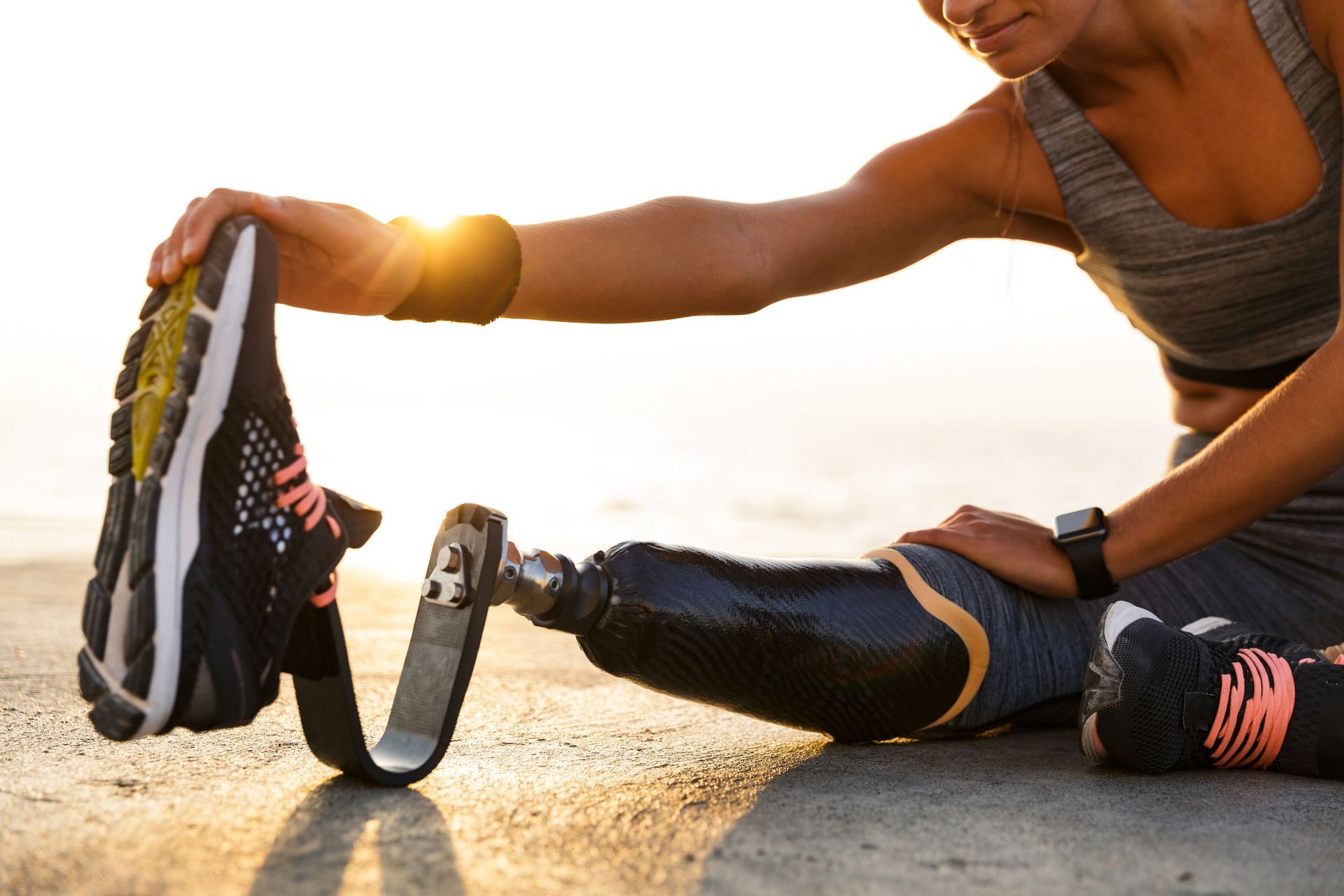
Lifestyle includes the activities people look forward to as well as their responsibilities. Running, jogging, and other active interests may create goals that deserve their own evaluation. Athletic prosthetics offer options for people whose plans extend beyond ordinary walking, with fit and function considered in relation to the intended activity.
Running prosthetics illustrate why recreational goals should be discussed directly. An interest in jogging through the park is different from preparing for sustained athletic participation. The prosthetist can consider those goals alongside the person's current needs, using feedback about the activity to inform the discussion. A particular athletic design should follow that evaluation rather than serving as a general recommendation for every active person.
Water exposure introduces another consideration. Water-resistant prostheses and components provide options worth discussing when water-related activities are part of someone's lifestyle. Matching the activity with the specific device's intended use and limitations matters more than relying on a broad description alone. Personalized prosthetic services can help clarify those distinctions. This keeps recreational planning connected to appropriate equipment while acknowledging that different activities may call for different solutions, even within the same person's life.
Keep Comfort Central to Daily Use
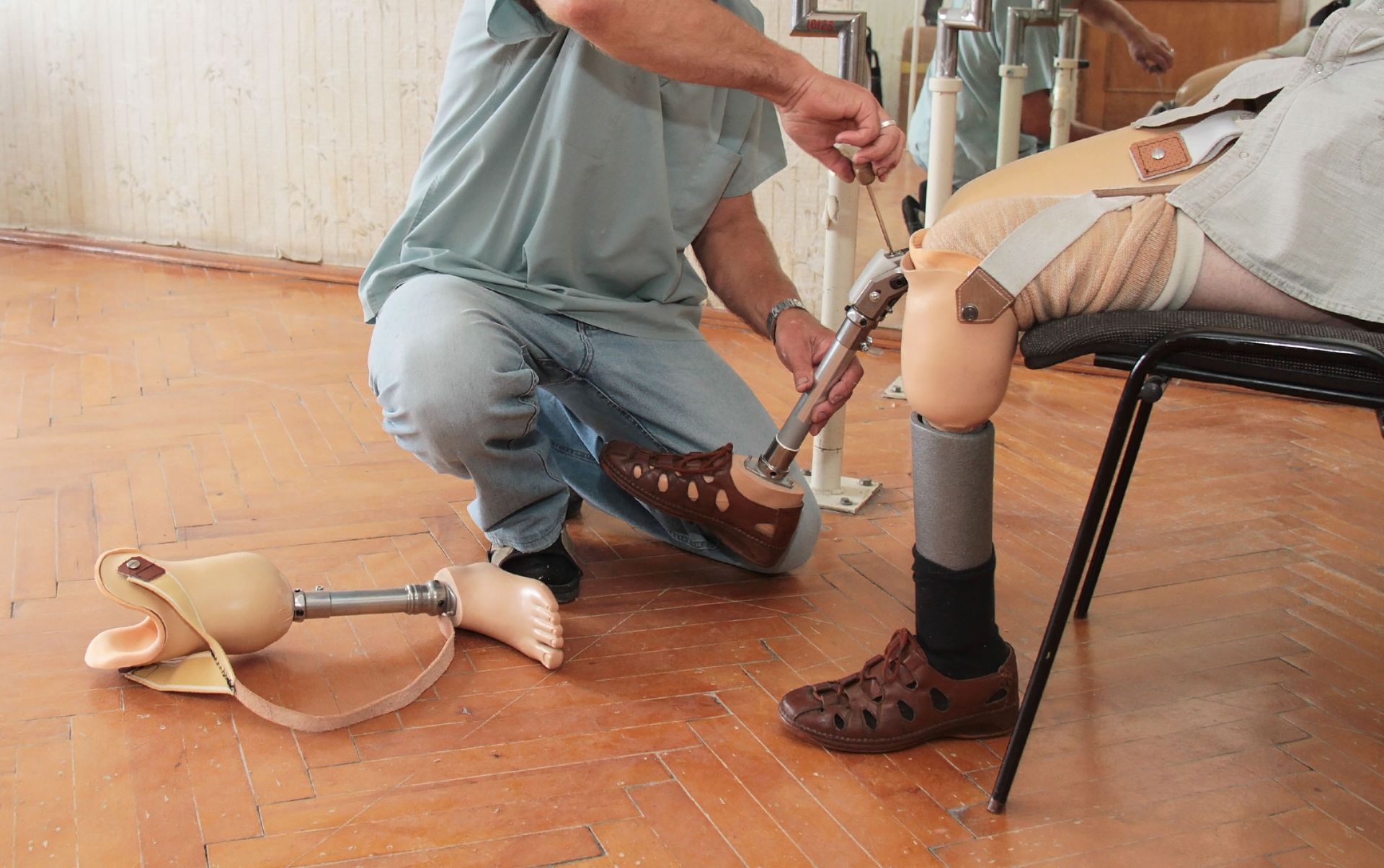
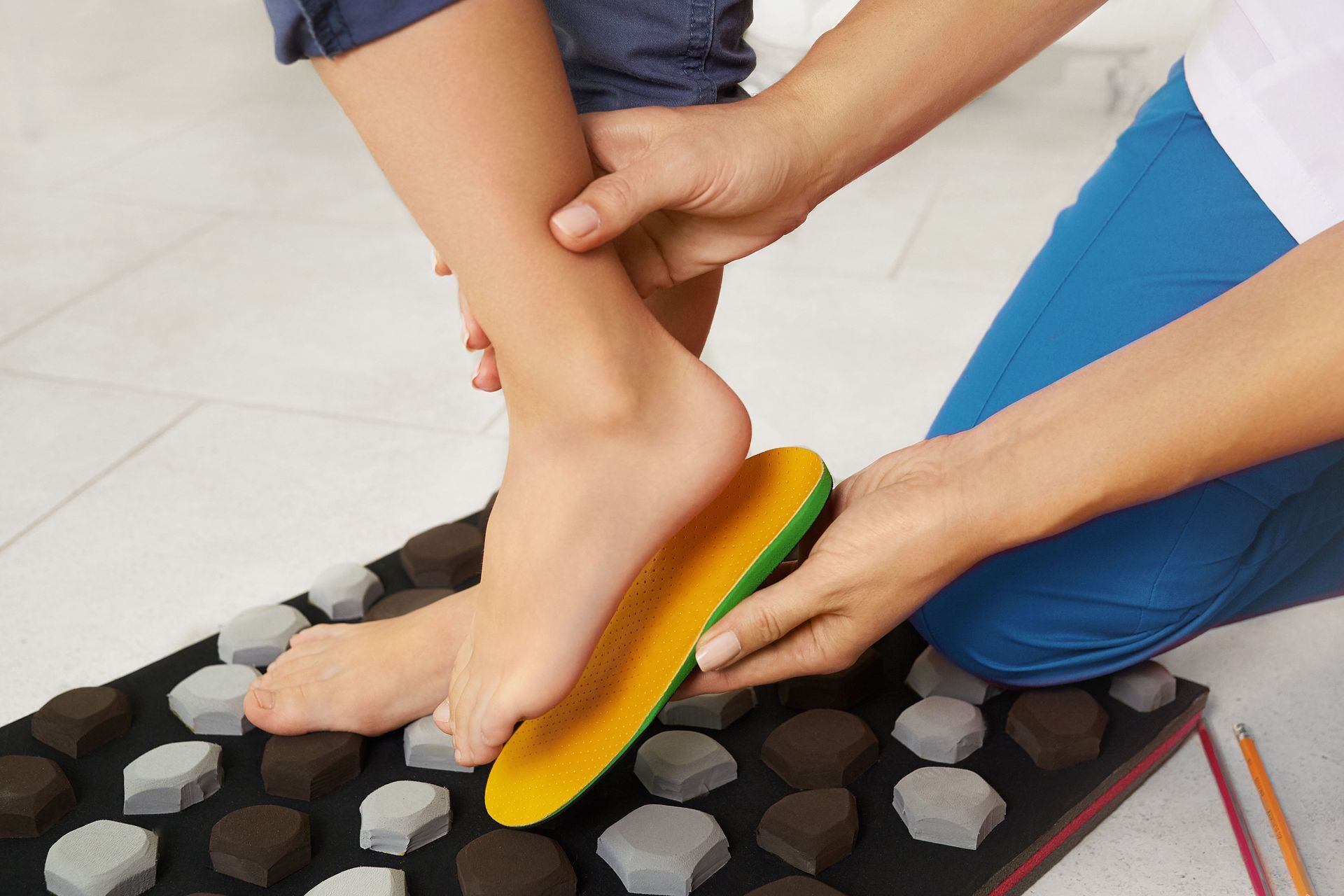
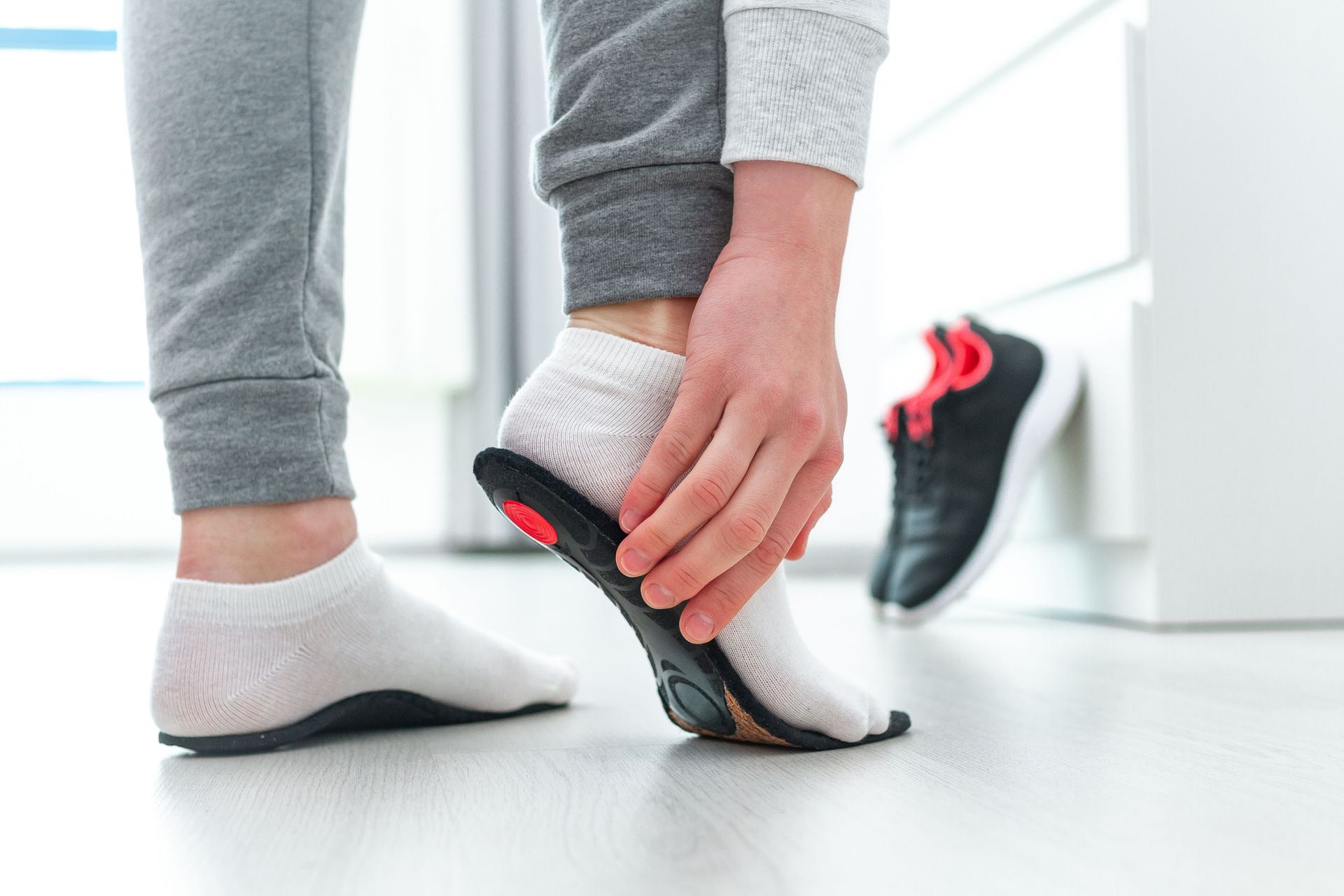
A prosthesis needs to relate comfortably to the person wearing it, not simply perform a desired movement. The connection between the residual limb and the device plays an important role in daily use. Socket design and fit therefore remain central considerations even when a conversation begins with an interest in a particular component.
Elevated vacuum socket systems are designed to create a secure connection between the residual limb and the prosthesis. They can help limit movement within the socket, reduce friction, and distribute pressure more evenly. Whether that approach is appropriate requires individual consideration, along with fitting and ongoing professional attention.
Comfort-focused prosthetic services also recognize that fit is not permanently fixed. Residual limb volume and shape can change, affecting how the device feels. Follow-up appointments and adjustments provide opportunities to address those changes. A lifestyle-oriented approach considers whether the prosthesis continues to support ordinary use over time, rather than judging success only at the initial fitting.
Revisit the Fit as Life Changes
Daily routines rarely remain exactly the same. A different job, a new activity, or changes in the body can alter what someone needs from a prosthesis. Returning for evaluation allows the discussion to reflect the person's current life instead of relying entirely on goals established earlier.
Professional follow-up may involve socket adjustments, component realignment, modifications, or consideration of replacement. Wear and changing fit can also prompt a review. The appropriate response depends on an evaluation of the existing device and the concern being addressed.
Continuity matters because an upgrade should have a clear purpose. Improved technology is useful when it addresses a meaningful need for the individual. Ongoing communication gives patients a way to discuss what works, what feels limiting, and which priorities have changed. Customization remains a relationship between the person and the device throughout care.
A well-matched prosthesis supports a life defined by the person's own priorities. Its value develops through thoughtful choices and continued attention as those priorities evolve. At Manuel Garcia Prosthetic & Orthotic Centers, we shape our
prosthetic services around individual goals, fit, and ongoing needs. Contact us to discuss the options relevant to your daily life.








Share On: